 How-to
7 Skincare Tips for Professional Hairdressers Who Work With Chemicals Daily
Last Updated: November 4, 2026
Quick Summary
Skincare tips for professional hairdressers focus on protecting your hands as occupational tools: apply barrier cream before your shift, wear nitrile gloves during chemical work, wash with lukewarm water and fragrance-free cleanser, and reapply moisturiser every two or three clients. Prevention beats reacting once hands crack or bleed.
- Apply barrier cream to clean, dry hands before your shift starts, not at lunch.
- Use thicker nitrile gloves for bleach and developer, thinner nitrile for shampooing.
- Never use vinyl gloves for peroxide, bleach or ammonia-based products.
- Reapply barrier cream after every hand wash because washing removes it.
- Adjust the client chair height so your shoulders stay relaxed while working.
Table of Contents
- Why Hairdresser Skincare Is an Occupational Health Issue, Not a Vanity One
- Build a Hairdresser Hand Care Routine That Survives a Full Column
- Skin Protection for Hairdressers: Gloves, Barriers and Timing
- Contact Dermatitis From Hair Products: Spotting It Before It Spreads
- Ergonomics and Posture: Protecting Wrists, Shoulders and Hands Between Clients
- Choosing Professional Salon Skincare Products Without Wasting Money
- Hydration, Nutrition and Stress: What Actually Shows Up in Your Skin
- Long-Term Occupational Health Risks Stylists Should Plan For
- Frequently Asked Questions
Why Hairdresser Skincare Is an Occupational Health Issue, Not a Vanity One
Skincare tips for professional hairdressers start with one hard fact: your hands are your tools, and they take a beating every single shift.
Hairdressers spend their days in water, shampoo, bleach, colour and sanitiser. The UK Health and Safety Executive guidance on occupational skin disease is blunt about what that does over time.
Many stylists only react when their hands crack or bleed, and by then the problem is already established. Prevention is cheaper and far less painful.
How Chemical Exposure Breaks Down the Skin Barrier
The skin barrier is the outer layer of skin that holds moisture in and keeps irritants out. Bleach, peroxide and ammonia strip the oils that keep that layer intact. Water alone, after enough exposure, does the same.
Here is what happens in sequence:
- Wet work swells the skin and leaches out natural oils
- Detergents and surfactants break down the lipid layer
- Chemicals reach deeper skin layers and trigger irritation
The fix is not one miracle cream. It is a routine built around protection, cleansing and repair.
Build a Hairdresser Hand Care Routine That Survives a Full Column
A hairdresser hand care routine works only if it fits the gaps between clients: short, repeatable, and done at set points in the day.
Try this structure:
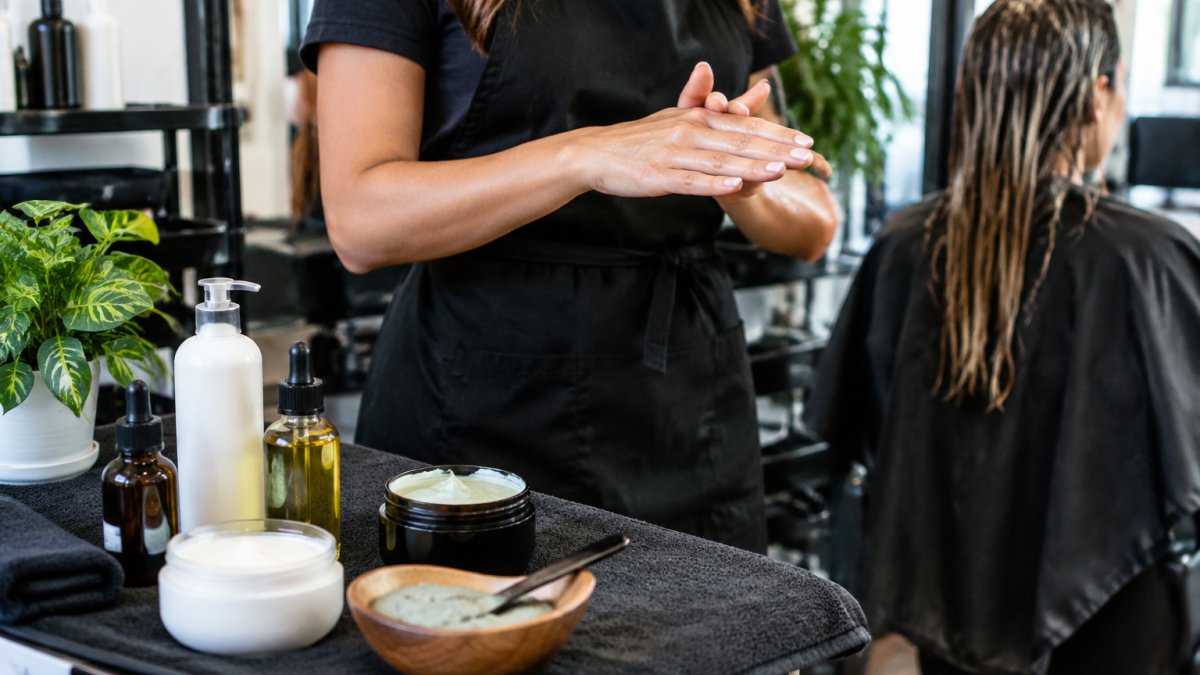
- Before your shift: apply a barrier cream to clean, dry hands
- Between clients: wash with lukewarm water and a fragrance-free cleanser, then pat dry
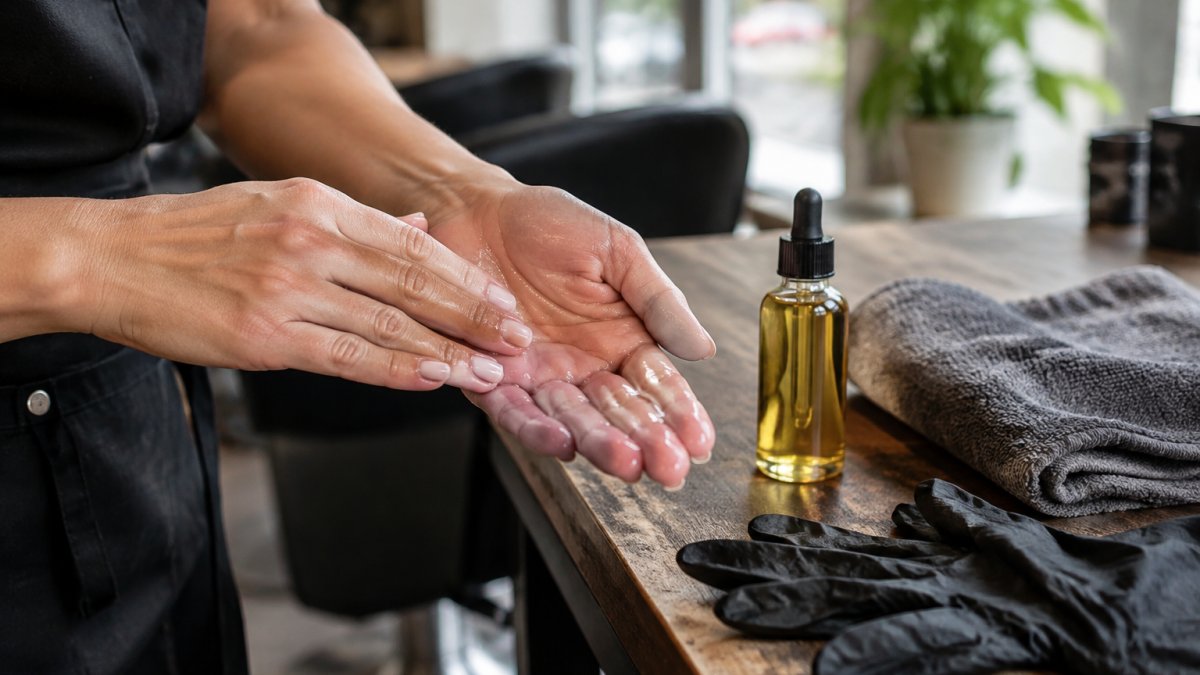
- After every two or three clients: reapply moisturiser or a natural oil
- End of shift: wash, dry fully, then apply a richer product and let it absorb
- Before bed: a thicker layer on hands, especially in cold months
A common mistake is washing with hot water and harsh soap to "get clean." That strips the barrier faster. Lukewarm water and a gentle cleanser do the job without the damage.
Washing, Sanitising and the Glove Habit
Hand hygiene matters, but how you clean matters just as much as how often.
Gloves are your first line of defence. Nitrile gloves protect against most colour and bleach products.
Watch out: wearing gloves over wet hands traps moisture and irritates skin.
A workable hand care routine fits into the gaps between clients at set points in the day.
| When | What to do |
|---|---|
| Before your shift | Apply barrier cream to clean, dry hands |
| Between clients | Wash with lukewarm water and fragrance-free cleanser, pat dry |
| After every two or three clients | Reapply moisturiser or a natural oil |
| End of shift | Wash, dry fully, apply a richer product and let it absorb |
| Before bed | Apply a thicker layer on hands, especially in cold months |
Skin Protection for Hairdressers: Gloves, Barriers and Timing
Skin protection for hairdressers comes down to three layers: gloves, barrier creams and timing.
Match the Glove to the Chemical, Not the Task
Latex offers good dexterity but degrades faster against some colour chemicals and carries allergy risk. Vinyl is the weakest barrier and is best reserved for dry, non-chemical tasks.
- Use thicker nitrile for lightener, bleach and developer mixing
- Reserve thinner nitrile for shampooing and colour application
- Never use vinyl for peroxide, bleach or ammonia-based products
Watch out: gloves rated for "chemical resistance" on the box are not all rated for the same chemicals, check the manufacturer's breakthrough chart rather than assuming.
Barrier Creams: What They Actually Do
A barrier cream is not a moisturiser. It is a sacrificial layer that sits on top of the skin and takes the chemical hit so your skin barrier does not. Apply to clean, dry hands before the first chemical touches your skin, not at lunch, and not after your hands already feel tight.
- Dimethicone barrier creams: good for wet work, shampooing and repeated hand washing
- Petrolatum or zinc-oxide ointments: good for dry chemical contact and overnight repair
- Reapply after every hand wash, because washing removes the barrier
Timing and the Glove Habit
Timing decides whether either layer works. Barrier cream goes on before the first chemical touches your skin, gloves go on before you open the developer, and gloves come off the right way, pinch the wrist, pull away from the body, and never blow into them, which traps moisture and irritants against the skin.
- Barrier cream on before the shift starts
- Gloves on before mixing, applying or rinsing chemicals
- Gloves off and hands dried fully before the next client
Product Ingredient Safety for Daily Handling
Stylists handle products far more often than clients do, so ingredient safety matters more for you than for the person in the chair. Choosing fragrance-free, dye-free formulas with short ingredient lists is a sensible starting point, and reading the ingredient list is more reliable than front-of-bottle claims.
- Prioritise fragrance-free and dye-free formulas for daily hand use
- Be cautious with leave-on products containing MI or other known allergens
- Patch-test new products on a small area before using them all shift
Contact Dermatitis From Hair Products: Spotting It Before It Spreads
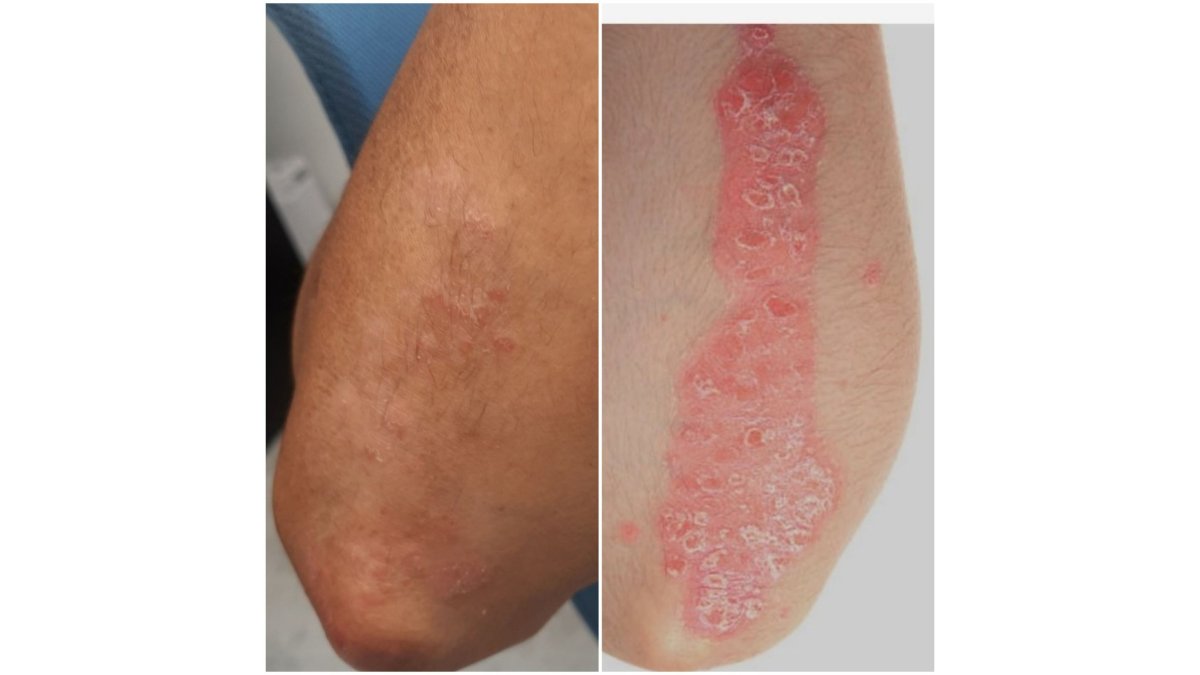
Contact dermatitis from hair products usually starts small: redness, dryness or itching between the fingers. Left alone, it spreads and can end a career in severe cases.
The NHS overview of contact dermatitis describes two types. Irritant dermatitis comes from direct damage by chemicals. Allergic dermatitis is an immune reaction that builds over repeated exposure.
Signs to act on early:
- Persistent redness or scaling on hands and wrists
- Itching that gets worse after work
- Small cracks at the fingertips or knuckles
Ergonomics and Posture: Protecting Wrists, Shoulders and Hands Between Clients
Ergonomics and posture protect the same hands and joints that chemical exposure attacks. Repetitive strain builds quietly over months.
Stylists hold scissors, dryers and brushes in fixed positions for hours. That repetition strains wrists, forearms and shoulders. Add poor posture at the chair and the damage stacks up.
Practical fixes:
- Adjust the client chair height so your shoulders stay relaxed
- Keep wrists neutral, not bent, while cutting
- Stretch hands and forearms between clients
Choosing Professional Salon Skincare Products Without Wasting Money
Professional salon skincare products are worth the spend only when the formula matches the job. For working hands, that means fragrance-free, hypoallergenic and barrier-focused.
Read labels with three questions in mind:
- Is it fragrance-free? Fragrance is a common irritant for reactive skin
- Does it list simple, recognisable ingredients?
- Is it built for frequent reapplication, not once-a-day use?
For barrier repair between clients, a natural skin conditioner such as tusc is formulated to improve texture and softness on skin worn down by daily salon work. For overnight recovery, a shea butter infused with extra virgin olive oil and CBD, like Nature's Touch Shea Butter with CBD, adds a protective layer while skin repairs. You can read what other stylists say about these products before deciding.
Hydration, Nutrition and Stress: What Actually Shows Up in Your Skin
Hydration, nutrition and stress management all show up on your hands and face. Skin is an organ, and it reflects what is happening inside.
Dehydration can leave skin dry and slower to repair, and poor sleep and high stress can make existing irritation worse.
Simple habits that help:
- Keep a water bottle at your station and sip through the day
- Eat regular meals with protein and healthy fats
- Build short breaks into the schedule, even five minutes
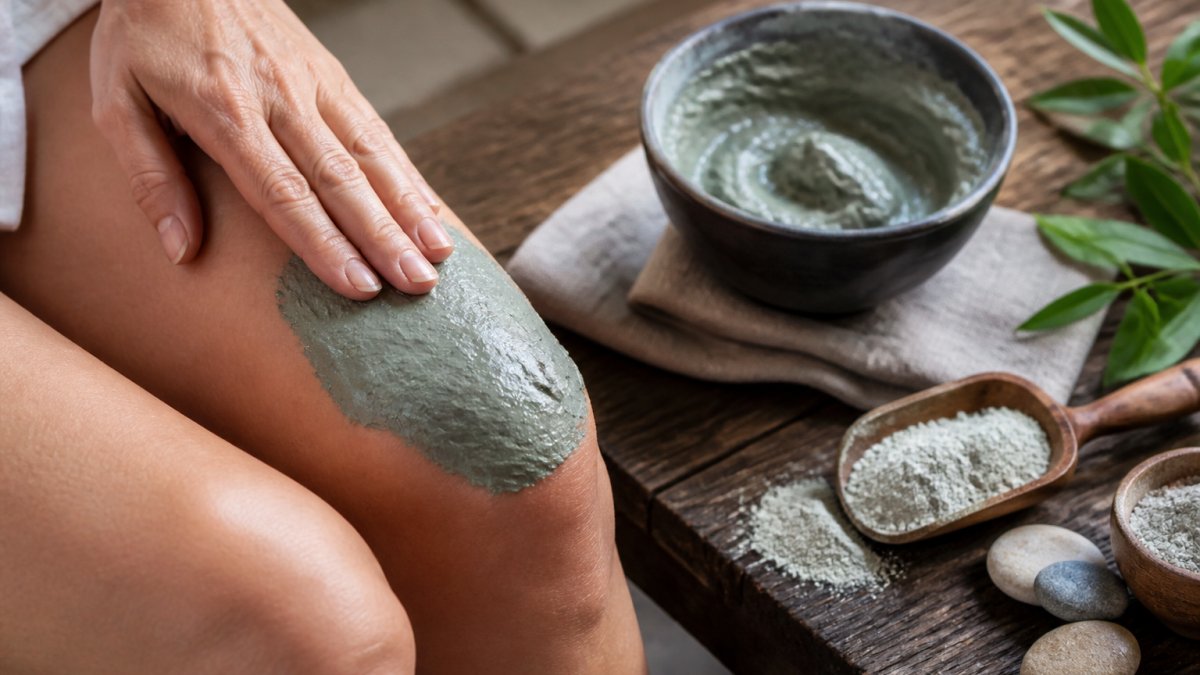
A rehydrating clay mask, such as Oceanic Glacial Clay in professional size, can help restore tone and texture after weeks of chemical exposure and stress.
Long-Term Occupational Health Risks Stylists Should Plan For
Long-term occupational health risks build slowly, which is exactly why they get ignored. The stylists who last decades plan for them early. Here is what each risk is, how it develops, what early warning looks like, and what to do before it becomes career-limiting.
Chronic Contact Dermatitis
Contact dermatitis is the most common occupational skin disease among hairdressers, and it rarely appears overnight.
Early warning signs worth acting on:
- Redness, scaling or itching that persists after days off
- Cracks at the fingertips or between the fingers that will not heal
- Skin that stings when you apply products it used to tolerate
If symptoms persist despite better protection, see a doctor.
Repetitive Strain Injuries
Repetitive strain in wrists, forearms, shoulders and hands develops from hours of holding scissors, dryers and brushes in fixed positions. The damage is cumulative, not acute, which is why it is easy to ignore until it interferes with work. Early signs include aching after shifts, morning stiffness, and a weaker grip than you used to have.
- Keep wrists neutral rather than bent while cutting
- Alternate standing and sitting where the service allows
- Stretch hands and forearms between clients
Skin Sensitisation and Cumulative Exposure
Skin sensitivity that develops after years of exposure can reflect cumulative chemical load, and prevention is generally easier than treating an established reaction. Rotating products, reducing unnecessary chemical contact, and wearing gloves consistently are the practical levers.
Burnout and Physical Strain
Burnout from physical strain and long hours can show up in the skin, and poor sleep and chronic stress can make existing irritation worse. Short breaks, protected work-life balance, and treating recovery as part of the job are the habits that separate stylists who last from those who leave early.
A Prevention Plan That Fits a Working Week
Preventative care changes the outcome, but only if it is built into the shift rather than added on top of it.
- Build protection into every shift: barrier cream before, gloves during, repair after
- Treat early symptoms seriously rather than waiting for them to resolve
- Invest in products that support barrier repair rather than mask the damage
- Include workplace safety and your own exposure risks in professional development
The OSHA guidance on skin exposure and dermatitis is written for employers, but it is worth reading as a worker too. The UK Health and Safety Executive guidance on occupational skin disease is similarly useful for understanding what your employer should be doing to protect you.
Frequently Asked Questions
How can hairdressers protect their hands from frequent washing?
Wash with lukewarm water and a fragrance-free cleanser instead of hot water and harsh soap, then apply a natural oil or ointment while hands are still slightly damp so it seals in moisture. Wear gloves for every colour, bleach and perm service, and keep a barrier cream at your station for between-client top-ups. If your hands crack, sting or itch after washing, that is a sign your skin barrier needs repair, not more scrubbing.
Should hairdressers wear gloves when applying hair colour?
Yes. Colour, bleach and developer are common triggers of contact dermatitis from hair products, and gloves are an important barrier. Use nitrile gloves rather than latex, check they are not torn, and change them between clients. Vinyl gloves are a poor choice for colour work because they allow more chemical penetration. If you react even under gloves, ask a dermatologist about the specific ingredient you are sensitive to.
What should a hairdresser's skincare routine include?
A workable routine has four parts: a gentle fragrance-free cleanse after each shift, a moisturising step while skin is damp, dedicated hand care with a natural oil or ointment at the end of the day, and sun protection if you work near windows or spend lunch outside. Keep the number of products small so you actually keep up with it.
When should a hairdresser see a dermatologist about a skin reaction?
Book an appointment if redness, itching, cracking or blisters last more than two weeks, spread beyond the hands and forearms, or return every time you handle a particular product. Patch testing can help identify the ingredient involved in a reaction. Bring the ingredient lists of the products you use most so the dermatologist can cross-reference them.