 How-to
Eczema Moisturizer Guide: How to Choose the Right One
https://mamatuziosoil.com/products/Natures-Touch-Shea-Butter-with-CBD-p625307935
Last Updated: November 21, 2026
Quick Summary
The best eczema moisturizer is one your skin tolerates well and that you will use consistently. Look for ceramides, glycerin, or petrolatum, avoid fragrance, and choose the format by severity, climate, and body area. Thicker ointments suit severe dryness, while lighter creams work for everyday use.
- Start with the ingredient list, not the marketing claims on the front.
- Combine a humectant like glycerin with an occlusive like petrolatum for best results.
- Avoid fragrance, parfum, and alcohol-based ingredients that can irritate eczema-prone skin.
- Use a thick ointment or balm for severe dryness, cracking, or nighttime application.
- Moisturize at least twice a day, ideally within minutes of bathing while skin is damp.
Table of Contents
- Why the Right Moisturizer Matters for Eczema
- Eczema Moisturizer Ingredients to Look For
- Additives to Avoid, Especially Fragrance
- Cream vs Ointment for Eczema: Which Suits Your Skin
- Best Moisturizer for Eczema on the Face
- How Often to Moisturize Eczema-Prone Skin
- Testing a New Moisturizer and Choosing Your Next Step
- Frequently Asked Questions
Why the Right Moisturizer Matters for Eczema
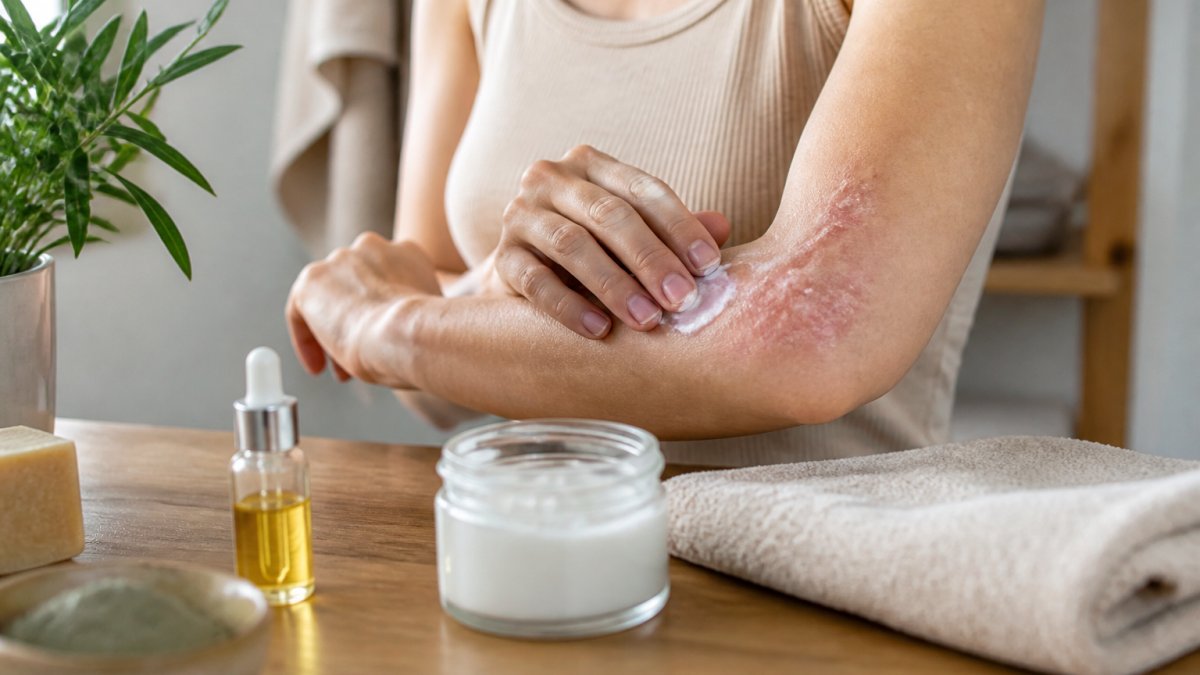
Choosing the right moisturizer is one of the most practical steps you can take for eczema-prone skin. A good moisturizer supports the skin barrier, holds water in the skin, and helps reduce the dryness and itching that often trigger flare-ups.
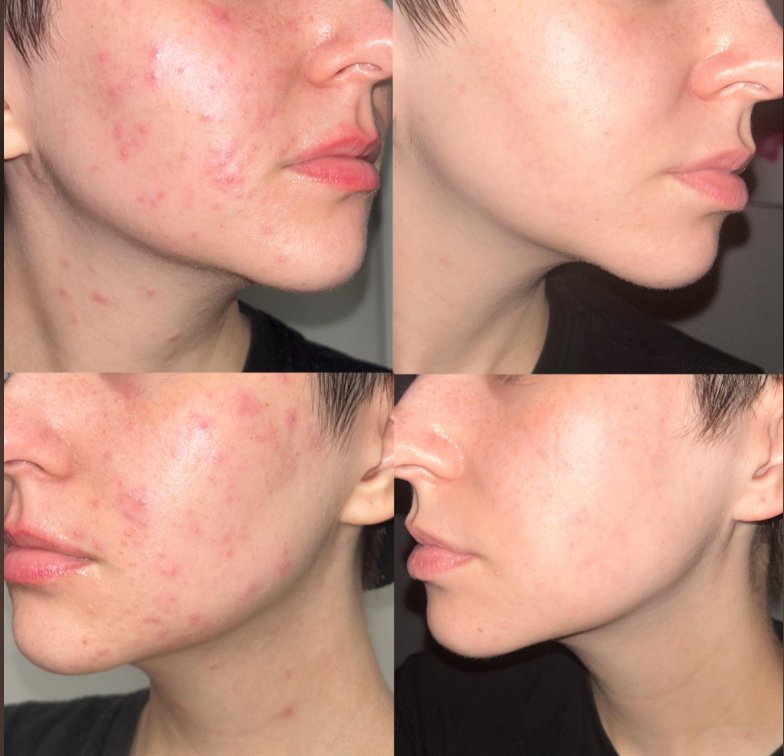
Acne clear
Many people with eczema find that the problem is not a lack of products but a mismatch between the product and their skin. A lotion that feels light may evaporate quickly and leave the skin dry again within hours. A thicker formula that stays on the skin longer often works better for chronic dryness.
Eczema Moisturizer Ingredients to Look For
When you read a label, start with the ingredients rather than the marketing. Moisturizers for eczema-prone skin usually work through a combination of ingredient types, and knowing the difference helps you judge a product quickly.
Look for these ingredients in an eczema moisturizer:
- Ceramides, which are lipids that help rebuild the skin barrier
- Glycerin, a humectant that draws water into the skin
- Petrolatum, an occlusive that slows water loss
- Colloidal oatmeal, which many people find soothing for itchy skin
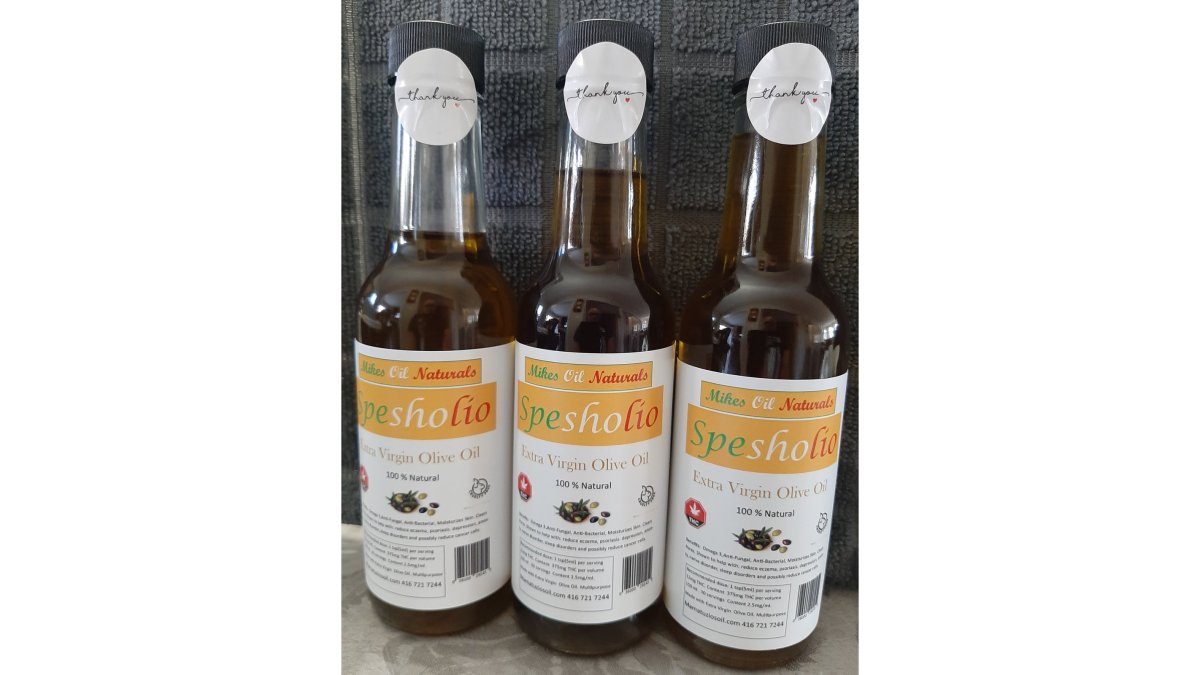
- Natural oils, such as olive oil, which can add a rich, protective layer
Olive oil is primarily made of oleic, linoleic, and palmitic acids, which is one reason it feels rich on dry skin. Many people with eczema prefer oil-based products for this reason.
Humectants and occlusives explained
Humectants and occlusives do different jobs, and the best eczema moisturizers often use both.
Humectants attract water. Glycerin and hyaluronic acid are common examples. They pull moisture from the air and from deeper skin layers into the outer layer of the skin.
Occlusives form a seal. Petrolatum and mineral oil are common examples. They slow down water loss from the skin's surface, which helps keep the moisture that is already there.
A product that combines a humectant with an occlusive gives the skin water and then keeps it in place.
Additives to Avoid, Especially Fragrance
Some ingredients can irritate eczema-prone skin even when the rest of the formula is gentle. Fragrance is the most common problem. Terms such as "fragrance," "parfum," or "essential oil blend" can hide dozens of individual compounds, and any of them may trigger irritation.
Check labels for these common irritants:
- Fragrance or parfum, including "natural" fragrances
- Alcohol-based ingredients that can sting or dry the skin
- Preservatives you react to in past products
- Strong essential oils, which some people find irritating even when natural
Fragrance-free does not always mean free of all irritants, so it is still worth testing a product. When a label lists many ingredients, the more complex the formula, the harder it can be to identify the cause of a reaction.
Cream vs Ointment for Eczema: Which Suits Your Skin
Creams, ointments, lotions, and balms differ mainly in how much oil and water they contain. You can compare these textures side by side in our eczema cream comparison for winter flare-ups.
Here is how the main formats compare:
Format | Texture | Oil content | Best for | Possible drawbacks |
|---|---|---|---|---|
Ointment | Thick, greasy | High | Severe dryness, cracked skin, night use | Feels heavy, can be messy, may trap heat |
Cream | Rich, smooth | Medium | Everyday use, most eczema-prone skin, daytime | Can sting on broken skin, may contain more preservatives |
Lotion | Thin, watery | Low | Mild dryness, large areas, hairy skin | Evaporates quickly, less protection |
Balm | Solid, waxy | High | Small patches, targeted use, lips and hands | Hard to spread over large areas, can feel occlusive |
Pros of ointments: They provide strong protection and are often the most effective option for chronic eczema.
Cons of ointments: They can feel greasy and may not suit daytime wear.
Pros of creams: They are easier to apply and feel less heavy.
Cons of creams: They may contain more water and preservatives than ointments, which can irritate some skin.
Pros of balms: They offer strong occlusion in a portable, targeted format, which suits lips, hands, and small cracked patches.
Cons of balms: They can be hard to spread over large areas and may feel too heavy for daytime facial use.
A practical decision framework
Rather than picking a format in isolation, match it to three factors: how severe your dryness is, what climate you live in, and where on the body you will apply it.
By severity:
- Mild dryness with occasional flaking: A lotion or light cream may be enough, especially if you reapply during the day.
- Moderate dryness with regular itching: A cream is often the best balance of protection and comfort.
- Severe dryness, cracking, or lichenification (thickened skin): An ointment or balm is usually the most protective choice, particularly at night.
By climate:
- Hot and humid: Lighter creams and lotions are often more comfortable and less likely to trap sweat, which can worsen itching.
- Cold and dry: Thicker creams, ointments, and balms help counter water loss from dry indoor heat and low humidity.
- High-altitude or air-conditioned environments: These tend to be drying, so a richer cream or ointment may be needed even in summer.
By body area:
- Face and neck: Thinner skin tolerates lighter creams better; reserve ointments for small, very dry patches unless a clinician advises otherwise.
- Hands: Frequent washing strips oils, so a balm or ointment after each wash can be practical.
- Skin folds (behind knees, inside elbows, groin): These areas can macerate if over-occluded, so a lighter cream is often preferred during the day.
- Legs and trunk: Larger areas suit creams or lotions for daytime and ointments at night.
If you are unsure, try a cream first for daily use and an ointment for nights or flare-prone areas.
Watch out: a very thick product applied to inflamed or weeping skin can trap heat and irritation. If skin looks infected, oozing, or much worse, stop and speak with a doctor before continuing.
Best Moisturizer for Eczema on the Face
The face needs particular care. The skin there is thinner, and many people react more strongly to products applied near the eyes and mouth. For facial eczema, look for a lighter cream or a fragrance-free formula that you can apply easily without irritation.
A useful approach is to:
- Choose a fragrance-free cream with a short ingredient list
- Apply a small amount to clean, slightly damp skin
- Avoid the eyelids unless a product is labeled as safe for them
- Test a new facial product on one small area for several days first
Many people with facial eczema find that a plain, thick cream works better than a multi-purpose face product with added actives.
How Often to Moisturize Eczema-Prone Skin
Consistency matters more than any single product. Most people benefit from moisturizing at least twice a day, and more often if the skin is very dry. Applying moisturizer after a shower or bath while the skin is still slightly damp helps trap water in the skin.
A practical routine looks like this:
- Moisturize within a few minutes of bathing, while skin is still damp
- Reapply during the day, especially after washing hands
- Apply a thicker layer at night
- Increase frequency during flare-ups or in dry, cold weather
Avoid very hot water and harsh soaps, which can strip the skin's natural oils. Pat skin dry gently rather than rubbing it. To see which moisturizer suits chronic eczema, read our guide to choosing a moisturizer for chronic eczema.
Testing a New Moisturizer and Choosing Your Next Step
Patch testing helps you find out whether a new moisturizer will irritate your skin before you use it everywhere. Apply a small amount to a discrete area, such as the inner forearm, once a day for about a week. Watch for redness, itching, stinging, or a rash. A common pattern is to test on one small area for several days before expanding to a larger area, and to avoid testing a new product during an active flare when your skin is already reactive.
How to introduce a new moisturizer
- Choose a low-risk starting point. A fragrance-free cream or ointment with a short ingredient list is less likely to cause irritation than a multi-ingredient product with botanicals or essential oils.
- Test on a small area first. Apply a pea-sized amount to the inner forearm or behind the ear and wait 24 to 48 hours before repeating.
- Extend gradually. If there is no reaction after several days, try the product on a larger area or on the intended body part.
- Keep the rest of your routine stable. Do not introduce several new products at once, or you will not know which one caused a reaction.
- Record what you use. Note the product name, format, main ingredients, and how your skin responded. Over time this record makes it much easier to decide what to try next.
What to do when a moisturizer stings
A brief sting on broken or cracked skin can happen with some creams, especially those containing water and preservatives. A sting that persists, worsens, or spreads is a sign to stop. If a product stings every time you apply it, even on intact skin, discontinue it and try a simpler ointment or a product with fewer ingredients.
Watch out: stinging that comes with spreading redness, swelling, or oozing may be a reaction rather than a flare. Stop the product and seek medical advice if symptoms are severe or do not settle.
What to do when a moisturizer does not help
If a product does not help after several weeks of consistent use, consider whether the format matches your skin's needs. A lotion may be too light for severe dryness, while an ointment may be too occlusive for skin folds. Adjust the format, frequency, or application timing before assuming the product is ineffective. If dryness and itching persist despite consistent moisturizing, speak with a doctor or dermatologist, because moisturizers support the skin barrier but do not treat active inflammation on their own.
Distinguishing a reaction from an eczema flare
A reaction to a product often appears as redness, itching, or a rash in the area where you applied it, and it may start within hours to days of use. An eczema flare can look similar but often follows known triggers such as stress, weather changes, or irritants.
Many people find that a simple, fragrance-free cream or ointment used consistently serves them better than a long list of products used once.
Frequently Asked Questions
What ingredients should I look for in an eczema moisturizer?
Look for humectants such as glycerin and hyaluronic acid, which draw water into the skin, and occlusives such as petrolatum, which slow water loss. Ceramides and colloidal oatmeal are also commonly included in products designed for dry, eczema-prone skin. Check the ingredient list rather than front-of-pack claims, since the ingredients printed on the label show what the product actually contains and in what order.
Is cream or ointment better for eczema?
Ointments usually contain more oil and no water, so they tend to be more occlusive and better at locking in moisture, which many people with dry, flaky eczema find helpful. Creams are lighter and easier to spread on large areas or on the face, but they may be less protective. Many people use a cream during the day and a thicker ointment at night. Test one product for a week or two to see how your skin responds.
How often should I moisturize skin with eczema?
Most people with eczema benefit from applying a moisturizer at least twice a day, and ideally soon after bathing while the skin is still slightly damp. Reapply whenever the skin feels dry or tight. Consistent, regular use is generally more effective at maintaining the skin barrier than occasional heavy application. If you are unsure how often to apply a product for your situation, a dermatologist or pharmacist can advise you.
When should I ask a dermatologist about an eczema moisturizer?
Speak with a dermatologist if your eczema is not improving with a consistent moisturizing routine, if a product stings, burns or worsens your symptoms, or if you notice signs of infection such as oozing, crusting, spreading redness or fever. A dermatologist can also help if you are unsure which ingredients suit your skin or whether a prescription treatment is needed alongside moisturizers.