 How-to
Is Glacial Clay Good for Inflammation: A Practical Guide
Table of Contents
- What Glacial Clay Is and How It May Address Inflammation
- How to Use a Glacial Clay Mask for Inflammation
- How Long to Leave a Clay Mask On
- Glacial Clay for Acne and Blemishes
- Clay Mask Side Effects for Sensitive Skin
- When Glacial Clay Works and When It Doesn't
- Frequently Asked Questions
Last Updated: October 5, 2026
What Glacial Clay Is and How It May Address Inflammation
Glacial clay is a mineral-rich clay formed over thousands of years in glacial regions. It contains trace minerals and elements that some people believe may help calm skin inflammation. At Mamatuziosoil, we work with glacial clay as a core ingredient in our natural skincare collection because of its long history in traditional wellness practices and the question of whether is glacial clay good for inflammation in irritated skin.
The question isn't whether glacial clay works like a medical treatment, it doesn't. The real question is whether it can support your skin's natural healing process when inflammation is mild to moderate. Many people report that glacial clay masks leave their skin feeling calmer and less red, but the science behind why this happens is still emerging.
Mineral content and anti-inflammatory properties
Glacial clay contains minerals like magnesium, silica, and calcium. These minerals are absorbed through the skin during a mask application. Magnesium, in particular, plays a role in skin repair and reducing irritation. The theory is straightforward: when your skin absorbs these minerals, it may help restore balance and calm inflammatory responses.
But here's what matters in practice. Not every glacial clay is the same. The mineral profile depends on where the clay was sourced and how it was processed. A glacial clay from one region might have higher magnesium content than clay from another.
The soothing sensation you feel when applying a clay mask also comes from the clay's ability to absorb moisture and oils from your skin. This creates a cooling effect that many people find calming, regardless of the mineral content. Some of that relief is real.
The evidence gap: what research actually supports
This is the part most guides skip over. There's limited clinical research specifically testing glacial clay for inflammation. Most studies on clay masks focus on kaolin clay or bentonite clay, which are different mineral compositions. Glacial clay sits in a gray area: traditional use suggests it works, but large-scale studies haven't proven it conclusively.
What we do know from skincare research is that certain minerals can support skin health. Magnesium reduces inflammation in controlled studies. Silica promotes collagen production. The question is whether applying these minerals topically in a clay mask delivers enough absorption to create measurable anti-inflammatory effects.
Many people see results. That's real. But results don't always mean the mechanism is what we think it is. Your skin might improve because the mask hydrates it, because you're taking time for self-care, or because the gentle exfoliation removes irritants.
How to Use a Glacial Clay Mask for Inflammation
The right application technique matters more than most people realize. A poorly applied mask can irritate rather than calm. Here's how to use glacial clay effectively for inflammatory skin concerns.
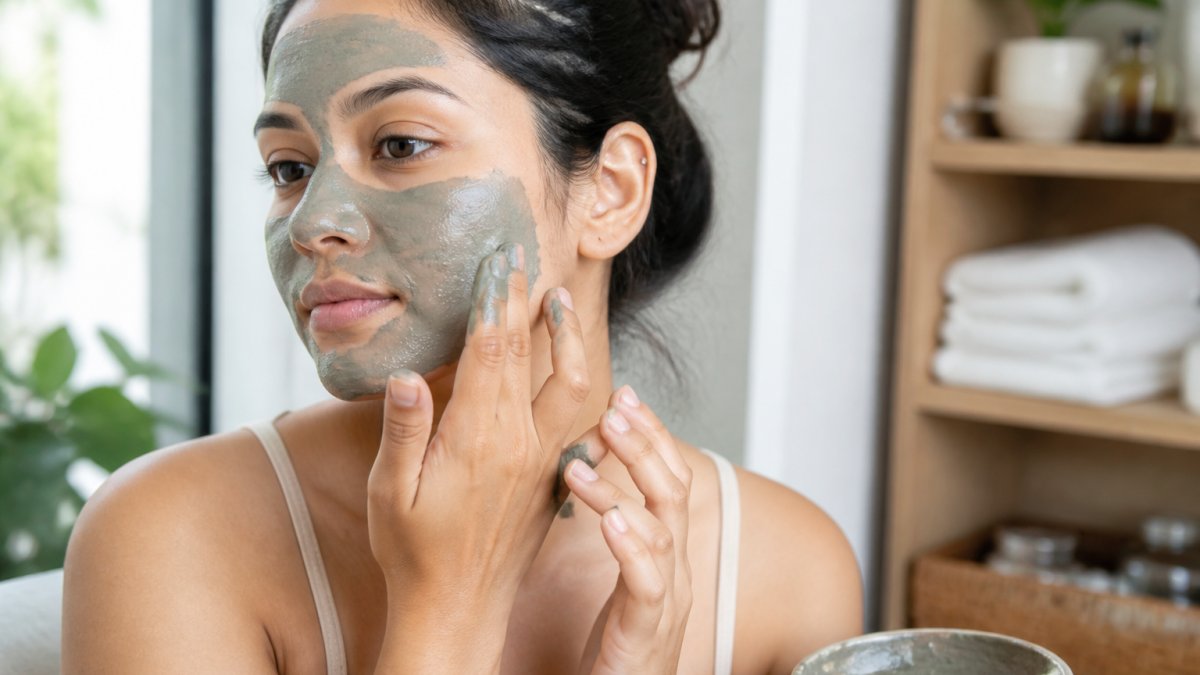
Step-by-step application for best results
Step 1: Start with clean skin. Wash your face with warm water and a gentle cleanser. Pat dry completely.
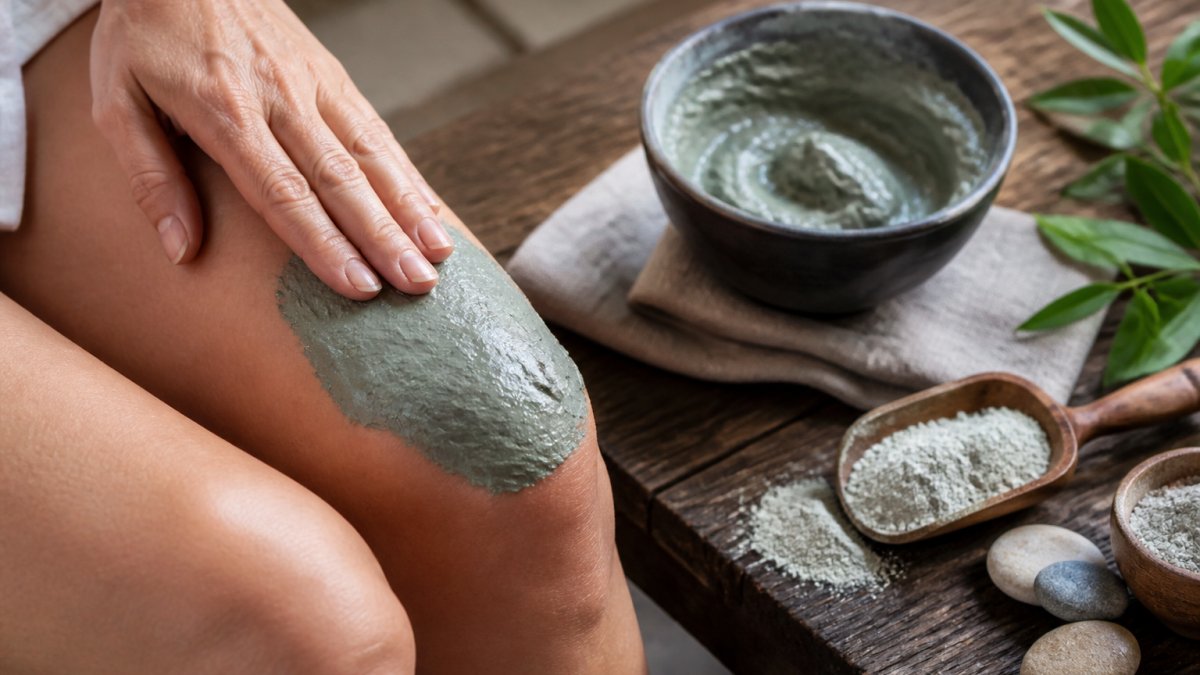
Step 2: Apply a thin, even layer. Use clean fingers or a brush to spread the glacial clay mask across your face. Avoid the eye area and lips.
Step 3: Let it set for 10-15 minutes. This timing is critical. We'll cover this in detail in the next section, but don't leave it on longer than needed.
Step 4: Rinse with warm water. Use your fingertips to gently massage the mask as you rinse. This provides light exfoliation without being harsh.
Step 5: Pat dry and apply a moisturizer. This is essential. Clay masks can leave skin feeling tight.
Use this routine once or twice per week. More frequent application doesn't improve results and can dry out your skin.
Patch testing and safety first
Before applying glacial clay to your entire face, test it on a small area first. This is non-negotiable if you have sensitive skin or a history of reactions to skincare products.
Apply a small amount of the diluted mask to your inner arm or behind your ear. Leave it on for 15 minutes. Rinse and observe for 24 hours. Look for redness, itching, burning, or swelling. If you see any of these signs, don't use the mask on your face.
Even if the patch test passes, start with once-weekly application. Some people experience delayed reactions. After two weeks of weekly use without problems, you can increase to twice weekly if desired.
How Long to Leave a Clay Mask On
The ideal time to leave a glacial clay mask on your skin is 10-15 minutes. This window allows the clay to absorb oils and impurities without over-drying your skin. Leaving it on longer creates diminishing returns and increases the risk of irritation.
Many people assume longer equals better results. It doesn't. After 15 minutes, the clay has done its primary work. The longer it sits, the more moisture it pulls from your skin, leaving it tight and uncomfortable. If you have dry or sensitive skin, stay at the lower end: 10 minutes is sufficient.
If you have very oily skin with active acne, you can extend to 15 minutes. But even then, don't exceed 20 minutes under any circumstances. The risk of over-drying outweighs any additional benefit.
Glacial Clay for Acne and Blemishes
Acne-prone skin responds differently to glacial clay than other skin types. The oil-absorbing properties that make clay useful for inflammation can be especially helpful for breakouts, but the drying effect also carries real risks.
Oil absorption and pore cleansing
Glacial clay pulls sebum and impurities from pores. For acne-prone skin, this is genuinely useful. Clogged pores filled with oil and bacteria create the environment where acne develops. A clay mask that removes this buildup can reduce the number of new breakouts.
The mineral content also matters here. Magnesium and silica both support skin repair after a breakout. They don't treat the acne itself, but they support your skin's natural healing process.
The challenge is balance. Acne-prone skin is often also sensitive skin. Over-drying it can trigger more inflammation and actually worsen breakouts. This is why application frequency and duration are critical.
Why acne-prone skin may respond differently
Acne happens when bacteria, oil, and dead skin cells trap inside a pore. A clay mask addresses two of these three factors: it removes excess oil and provides gentle exfoliation to remove dead skin. But it doesn't kill the bacteria. If bacterial activity is driving your acne, glacial clay alone won't solve it.
Additionally, acne-prone skin often has a compromised skin barrier. Using clay too frequently can damage the barrier further, making your skin more irritable and more prone to breakouts. This is the paradox: the treatment that helps can also hurt if overused.
Clay Mask Side Effects for Sensitive Skin
Glacial clay can irritate sensitive skin if not used carefully. Understanding the potential side effects helps you avoid them.
Drying, irritation, and when to stop
The most common side effect is over-drying. Your skin feels tight, flaky, and uncomfortable for hours after the mask. This means the clay pulled too much moisture. If this happens, reduce the frequency to once every two weeks and always follow with a rich moisturizer.
Some people experience redness or mild burning during the mask application. This is a sign the clay is too concentrated or you've left it on too long. Rinse immediately if burning occurs.
Itching or hives after using the mask suggest a sensitivity or allergy to the clay itself or additives in the product. Stop using it and switch to a gentler alternative.
A small number of people develop a rash or significant irritation within 24 hours of use. This is a true allergic reaction. Discontinue use and consult a dermatologist if the rash persists.
Inflammation versus irritation: knowing the difference
Here's the critical distinction most people miss. Inflammation and irritation are not the same thing, though they feel similar. Understanding the difference changes how you use glacial clay.
Inflammation is your skin's immune response to a trigger: bacteria, allergens, or injury. It's usually localized to problem areas like acne spots or eczema patches. Glacial clay may help calm this type of inflammation.
Irritation is damage to your skin barrier from external sources: harsh products, over-washing, or over-treating. When clay masks cause irritation, they're making your skin worse, not better. Your skin becomes red, sensitive, and reactive to everything.
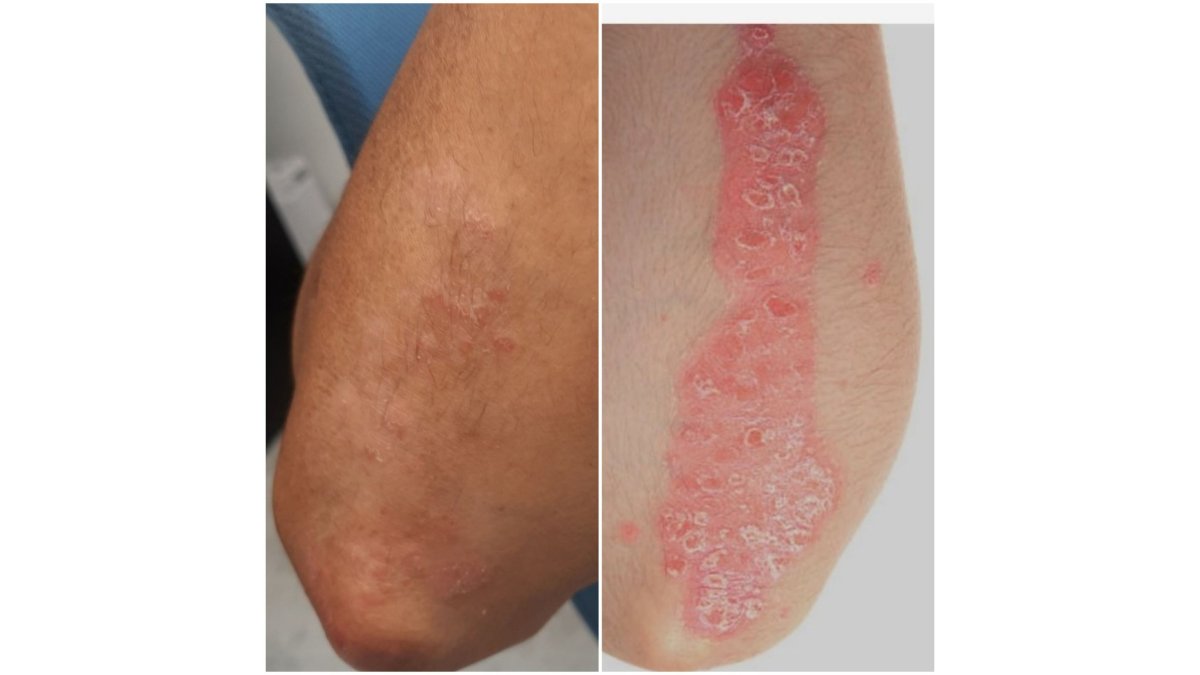
If you have a diagnosed inflammatory skin condition like eczema or psoriasis, glacial clay might provide temporary relief. But if your skin is irritated from over-treatment, adding a clay mask will worsen it.
When Glacial Clay Works and When It Doesn't
Glacial clay has real limitations. Knowing when to use it and when to skip it prevents wasted time and money.
Medical skin conditions that need professional care
Glacial clay is a support tool, not a treatment. If you have eczema, psoriasis, rosacea, or dermatitis, a clay mask might feel soothing temporarily, but it won't treat the underlying condition. These require professional diagnosis and often prescription treatment.
The same applies to severe acne, fungal infections, or any skin condition caused by bacteria or illness. A clay mask won't address the root cause. Using it instead of seeking professional help delays actual treatment.
If your inflammation is caused by an allergic reaction, medication, or internal health issue, topical clay won't help. You need to address the source.
Setting realistic expectations
Glacial clay works best when the answer to whether is glacial clay good for inflammation applies to mild to moderate cases and occasional breakouts in otherwise healthy skin. If you have oily skin prone to congestion, glacial clay can be a useful weekly routine.
Results take time. You won't see dramatic changes after one mask. Consistent use over 4-6 weeks is needed to assess whether glacial clay actually helps your specific skin. Some people see clear improvement. Others see minimal change. Both responses are normal.
The most important expectation to set is this: glacial clay supports your skin health. It doesn't replace a solid skincare routine with cleansing, moisturizing, and sun protection.
At Mamatuziosoil, we believe in using glacial clay as one tool in your natural skincare toolkit. Our professional-grade glacial clay is sourced for its mineral content.
Frequently Asked Questions
Does glacial clay actually reduce skin inflammation, or is that just marketing?
Glacial clay contains minerals like magnesium and silica that may soothe irritated skin and reduce redness, but clinical evidence is limited. Most claims come from traditional use and user reports rather than large-scale studies. It may help mild inflammation, but severe conditions like eczema or psoriasis require professional medical assessment. Always patch test first and stop if irritation worsens.
How long should you leave a glacial clay mask on your face?
Most glacial clay masks work best when left on for 10-15 minutes. Leaving it on longer than 20 minutes can over-dry skin, especially if you have sensitive skin. Start with 10 minutes, rinse with lukewarm water, and pat dry gently. If your skin feels tight or uncomfortable, reduce the time. Frequency matters too: 1-2 times per week is usually safe for most skin types.
Can glacial clay help with acne, and is it safe for acne-prone sensitive skin?
Glacial clay's oil-absorption and pore-cleansing properties may help reduce blemishes by drawing out impurities and excess sebum. However, acne-prone skin is often sensitive, so start slowly with a patch test on a small area first. Use the mask no more than once weekly initially, and watch for dryness or irritation. If acne worsens or doesn't improve after 4 weeks, consult a dermatologist.
What side effects can glacial clay cause, and who should avoid it?
Common side effects include dryness, tightness, and temporary redness, especially on sensitive skin. Rarely, it may trigger irritation or allergic reactions. Avoid clay masks if you have active dermatitis, open wounds, or severe eczema without professional guidance. Always patch test on your inner arm or behind your ear 24 hours before full application. If itching, burning, or rash develops, rinse immediately and stop use.