 How-to
Treating Chronic Eczema at Home: A Daily Routine
Table of Contents
- Understanding Chronic Eczema and When Home Care Works
- Building a Daily Skin Care Routine for Eczema
- Home Remedies for Itching and Inflammation
- Identifying and Managing Eczema Triggers at Home
- How Long Does an Eczema Flare Last and What to Expect
- When Home Care Is Not Enough: Knowing When to Seek Help
- Frequently Asked Questions
Last Updated: October 4, 2026
Understanding Chronic Eczema and When Home Care Works
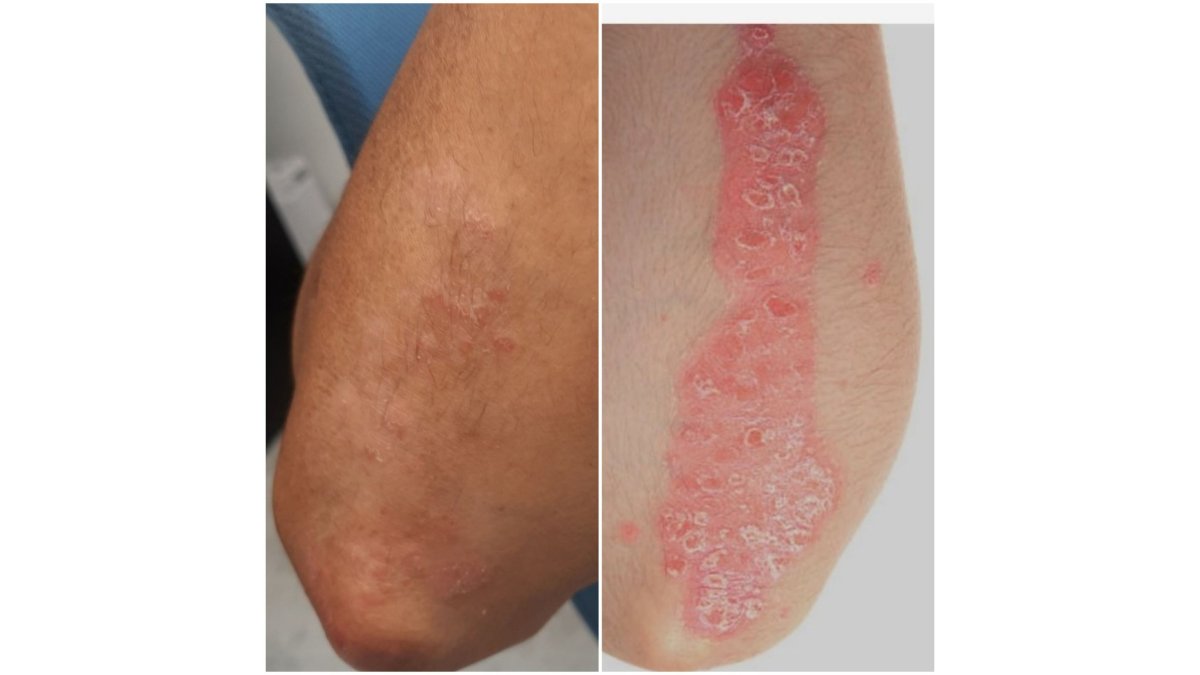
Chronic eczema, also called atopic dermatitis, is a long-lasting skin condition marked by intense itching, redness, swelling, and dry skin, and treating chronic eczema requires understanding both home care and professional support.
Home care works best for mild to moderate flare-ups and daily maintenance. When you treat chronic eczema at home with the right routine, you can reduce itching, prevent infection, and keep your skin calmer.
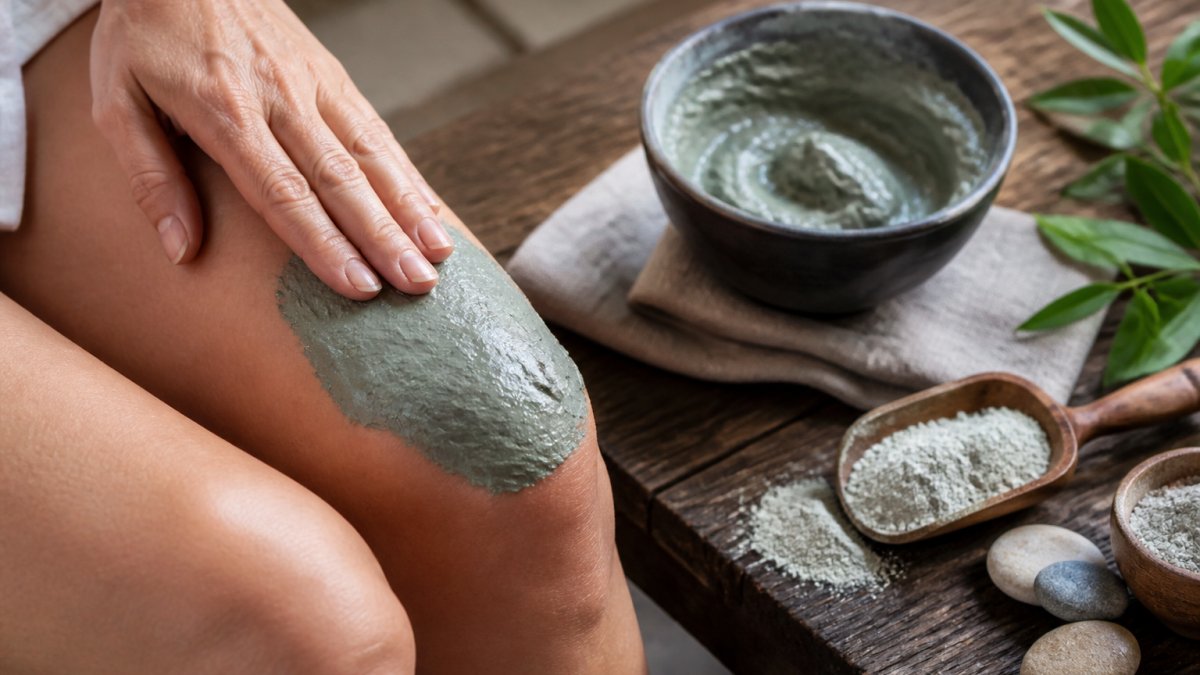
At Mamatuziosoil, we focus on natural skincare solutions that support your skin barrier. Our glacial clays and natural oils are designed to help heal and restore skin health when used consistently, even when your skin looks clear.
Building a Daily Skin Care Routine for Eczema
A solid daily routine is your foundation for managing chronic eczema at home. The routine below focuses on three core actions: cleanse gently, moisturize while damp, and protect overnight. Stick to this every day, even when your skin feels good.
Step 1: Cleanse Without Stripping Your Skin
Hot water and harsh soaps strip away oils your skin needs. Instead, use lukewarm water and cleanse for 5-10 minutes.
Here's how to do it right:
- Use lukewarm water, not hot
- Wash for 5-10 minutes maximum
- Choose fragrance-free cleansers designed for sensitive skin
Step 2: Moisturize While Skin Is Still Damp
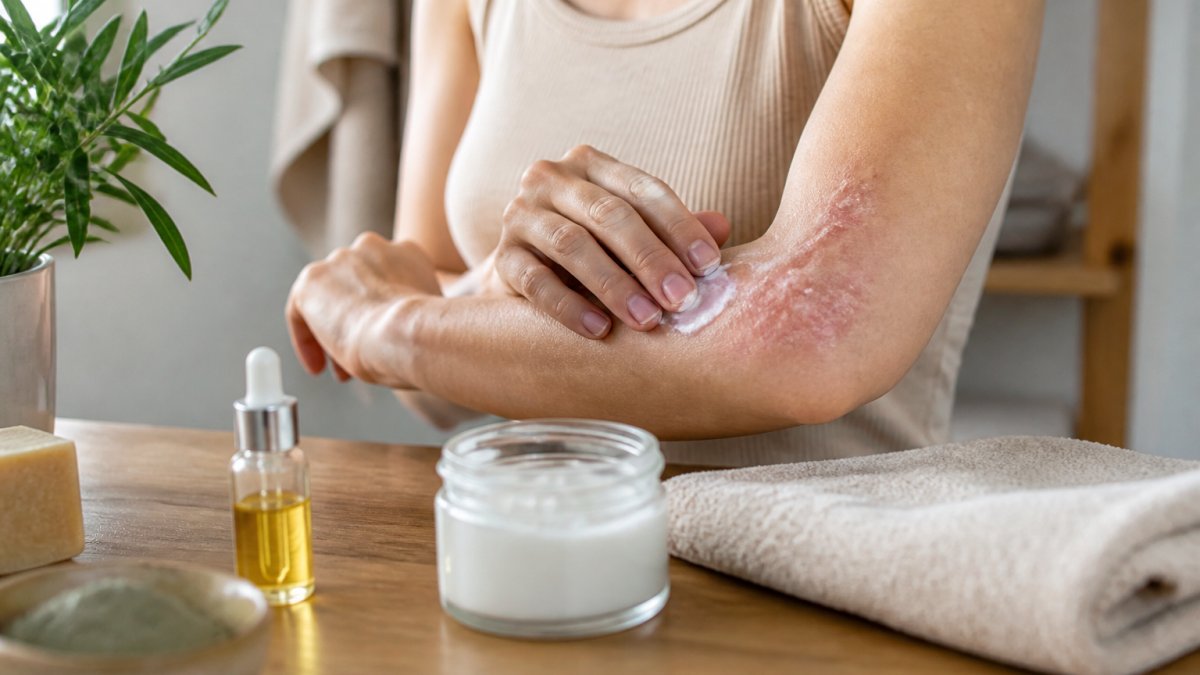
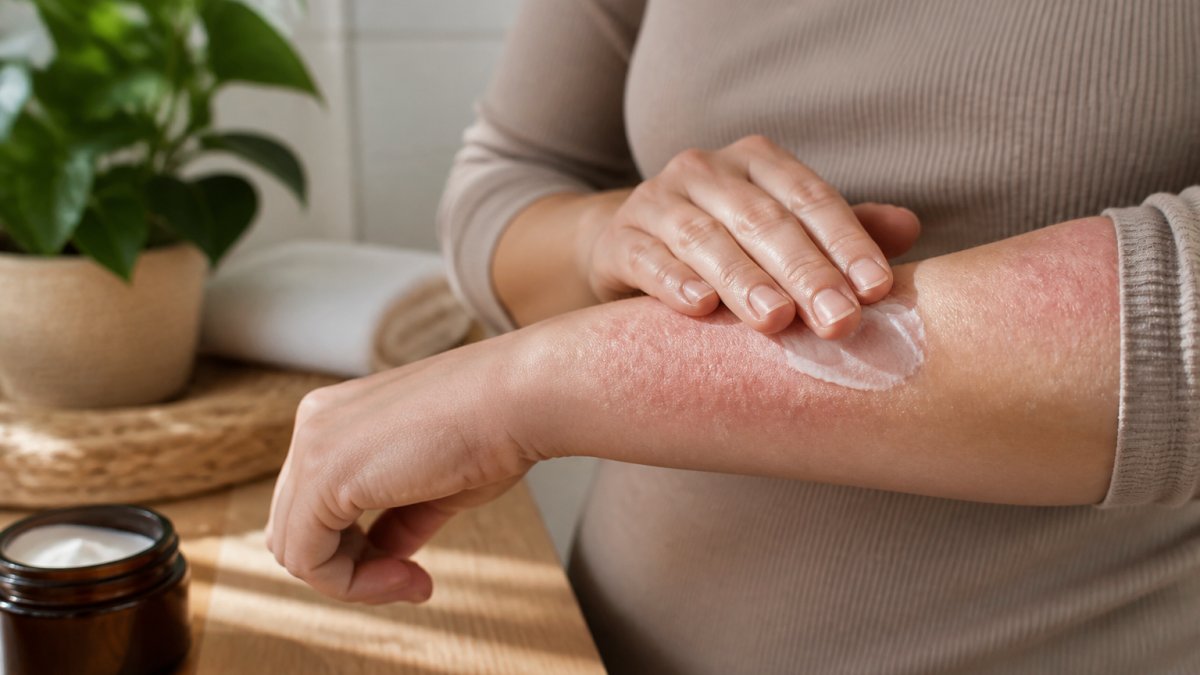
Apply moisturizer to damp skin within 3 minutes of bathing. Wet skin absorbs products better, trapping moisture inside.
Apply to all affected areas. Use enough product that your skin feels slick, patting gently until absorbed.
When treating chronic eczema, good moisturizers include:
- Petroleum jelly and other occlusive moisturizers
- Fragrance-free creams and ointments
- Natural oils that support skin hydration
Step 3: Apply Occlusive Protection at Night
Before bed, add a second layer of occlusive protection like petroleum jelly or a thick cream to seal in hydration overnight.
Apply to active eczema areas and consider wrapping loosely in soft cotton to prevent scratching.
Home Remedies for Itching and Inflammation
Several home remedies can reduce itch and inflammation during flare-ups. Track what helps your skin, as responses vary.
Colloidal Oatmeal Baths
Colloidal oatmeal baths are an effective home treatment for chronic eczema. Finely ground oatmeal soothes skin, reduces redness, and calms itching.
To prepare a colloidal oatmeal bath:
- Fill your tub with lukewarm water
- Add 1-2 cups of colloidal oatmeal (or use an oatmeal bath packet)
- Soak for 10-15 minutes
Use 2-3 times per week during a flare. It's safe for all ages, including children and babies.
Natural Oils and Their Evidence
Some natural oils help manage chronic eczema symptoms, though results vary. Coconut oil can trigger flare-ups in some people; jojoba and sunflower oil may work better.
Evidence is mixed. Patch test any new oil on a small area first and wait 24 hours before broader use.
Natural oils that some people find helpful:
- Sunflower oil for skin hydration
- Jojoba oil for barrier support
- Coconut oil (though it triggers flare-ups in some)
Never apply undiluted essential oils directly to your skin. They're too concentrated and will cause irritation.
Bleach Baths: Safety and Preparation
Bleach baths are a legitimate medical treatment when prepared correctly (pubmed.ncbi.nlm.nih.gov). A dilute solution reduces bacteria and prevents infection during severe flare-ups.
Only use bleach baths under medical guidance. Never experiment on your own.
If your doctor approves, here's how to prepare one safely:
- Fill your tub with lukewarm water
- Add 1/2 cup of regular household bleach to a full tub (this creates a very dilute solution)
- Soak for 5-10 minutes only
Use a bleach bath no more than 2-3 times per week. Stop immediately if your skin becomes irritated. Never use bleach baths without professional guidance.
Identifying and Managing Eczema Triggers at Home
Triggers are substances, behaviors, or conditions that cause flare-ups. Everyone's triggers differ. Finding yours takes observation but is worth the effort.
Common triggers include:
- Fragrances and perfumed products
- Harsh detergents and soaps
- Stress and lack of sleep
Track flare-ups: note products used, foods eaten, and events before itching started. Patterns emerge within weeks. Once identified, avoid or reduce trigger exposure.
For example, switch to fragrance-free detergent if a product triggers flares, or prioritize sleep if stress does.
How Long Does an Eczema Flare Last and What to Expect
Flare duration varies from days to months depending on severity and treatment response.
Factors that influence flare duration:
- Severity of the flare (mild, moderate, or severe)
- How quickly you treat it
- Whether you identify and avoid triggers
Most mild to moderate flare-ups improve within 1-2 weeks with consistent treatment; severe ones require medical care.
Stick to your routine during flares even if progress seems slow. Consistency matters; many people give up before seeing improvement.
When Home Care Is Not Enough: Knowing When to Seek Help
Home care is your foundation, but chronic eczema often requires professional support. Knowing when to contact your doctor prevents complications.
When to Schedule a Routine Appointment (Within 1-2 Weeks)
Contact your primary care doctor or dermatologist if:
-
Home treatments have not improved your skin after 2-3 weeks of consistent use. If you've followed your daily routine, avoided identified triggers, and used remedies like colloidal oatmeal baths or moisturizers, but itching and redness persist or worsen, professional assessment is needed.
-
Flare-ups are frequent (more than once per month) or severe. Recurring flares suggest your current routine is insufficient or that you're missing a trigger. A clinician can identify patterns you may not see and prescribe stronger treatments.
-
Eczema affects more than 10% of your body surface. Widespread eczema is harder to manage with home care alone and increases infection risk. A dermatologist can assess severity and recommend topical steroids, phototherapy, or systemic treatments.
-
Itching prevents sleep, work, or daily activities. Severe itching that disrupts your life is a sign that home care needs reinforcement. Your doctor can prescribe antihistamines, topical steroids, or other medications to break the itch-scratch cycle.
-
You're unsure whether a product is safe for your skin. Before trying a new moisturizer, oil, or remedy, ask your doctor if it's appropriate for your eczema type and current flare status.
When to Seek Urgent or Same-Day Care
Contact your doctor immediately or visit an urgent care clinic if:
-
Signs of skin infection are present. Infected eczema is a medical emergency. Look for:
- Pus, yellow or honey-colored crusting, or oozing
- Warmth, swelling, or tenderness in affected areas
- Red streaks extending from the eczema patch (sign of spreading infection)
- Fever or chills accompanying skin symptoms
- Blisters or pustules (fluid-filled bumps) that were not present before
Infected eczema requires antibiotics and sometimes oral steroids. Home care alone will not resolve it and may allow the infection to spread.
-
Your skin is weeping, blistering, or bleeding extensively. Severe skin breakdown increases infection risk and indicates your skin barrier is severely compromised. You need professional wound care and stronger treatments.
-
You develop a new rash or symptoms spread rapidly to new areas. Rapid spread may indicate contact dermatitis (allergic reaction to a product), a secondary infection, or a different skin condition that mimics eczema. A clinician can diagnose and treat appropriately.
-
You have a fever or systemic symptoms (body aches, swollen lymph nodes, malaise). These signs suggest infection has entered your bloodstream or that you have a systemic condition, not just localized eczema.
-
You experience severe swelling of the face, lips, or throat. This is a sign of allergic reaction and requires immediate emergency care (call 911 or go to the emergency room).
What to Tell Your Doctor
When you contact your doctor, provide specific information that helps them assess your situation:
-
Timeline. When did the flare start? How long has it lasted? Is this your first flare or a recurring pattern?
-
Severity and location. Describe the affected areas: Is it localized (hands, face, behind ears) or widespread? Is skin weeping, crusted, or dry? What percentage of your body is affected?
-
What you've tried. List the products, remedies, and treatments you've used in the past 2-3 weeks, including moisturizers, cleansers, oatmeal baths, and any new products. Include how often you used them and whether they helped or worsened symptoms.
-
Triggers you've identified. Tell your doctor about patterns you've noticed: Does eczema flare after certain products, foods, stress, or weather changes? This helps them rule out contact dermatitis or allergic triggers.
-
Impact on your life. Explain how eczema is affecting you: Does itching prevent sleep? Are you missing work or school? Is it affecting your mental health or quality of life? Clinicians take functional impact seriously when deciding on treatment intensity.
-
Previous treatments. If you've used prescription treatments before (topical steroids, calcineurin inhibitors, biologics), tell your doctor what worked, what didn't, and any side effects you experienced.
Types of Professional Treatments Beyond Home Care
Your doctor may recommend:
-
Topical corticosteroids (hydrocortisone, triamcinolone, fluticasone) to reduce inflammation quickly during flare-ups. These are safe when used as directed but should not be used indefinitely without medical oversight.
-
Topical calcineurin inhibitors (tacrolimus, pimecrolimus) for sensitive areas like the face or skin folds, where long-term steroid use is not ideal.
-
Prescription-strength moisturizers (ceramide-based creams like CeraVe Moisturizing Cream or Eucerin Eczema Relief) that are more effective than over-the-counter options for severe barrier damage.
-
Oral antihistamines (cetirizine, fexofenadine) to reduce itching and help you sleep during severe flare-ups.
-
Antibiotics (topical or oral) if infection is confirmed.
-
Phototherapy (light therapy) for widespread or treatment-resistant eczema. Controlled UV exposure reduces inflammation and itching over weeks.
-
Biologic medications (dupilumab, tralokinumab) for moderate to severe eczema that doesn't respond to topical treatments. These target specific immune pathways and can be life-changing for some people.
The Reality of Chronic Eczema Management
Chronic eczema is a long-term condition that often requires a combination of home care and professional treatment. Home care is your daily foundation, it prevents flare-ups and maintains your skin barrier. Professional care fills the gaps when home care is insufficient, prevents complications, and provides relief during severe episodes. There is no shame in needing both. Early professional intervention often prevents prolonged suffering and reduces the overall burden of the condition.
Frequently Asked Questions
Can chronic eczema be managed without prescription treatment?
Yes, many people manage chronic eczema at home with consistent daily routines focusing on moisturizing, gentle cleansing, and trigger avoidance. A structured regimen using fragrance-free moisturizers, colloidal oatmeal baths, and natural oils can reduce flare frequency and severity. However, if home care doesn't improve symptoms within 2-3 weeks, or if you experience signs of infection, seek professional evaluation. Some people benefit from combining home care with prescribed treatments for optimal control.
What home remedies actually help with eczema itching?
Colloidal oatmeal baths soothe inflammation and reduce itching when used 2-3 times weekly. Natural oils like coconut oil and plant-based moisturizers restore the skin barrier when applied to damp skin. Petroleum jelly or similar occlusive products lock in moisture overnight. Bleach baths, when prepared safely (0.5% solution, 5-10 minutes), can reduce bacterial overgrowth that worsens itching. Cool compresses and stress management also provide relief. Evidence quality varies, so track what works best for your skin.
How long does an eczema flare last with home treatment?
Most eczema flares improve within 1-2 weeks with consistent home care: daily moisturizing, gentle bathing, and trigger avoidance. Mild flares may settle in 3-5 days, while severe inflammation can take 2-3 weeks. Recovery speed depends on flare severity, how quickly you identify and remove triggers, and your skin barrier's baseline health. If a flare persists beyond 3 weeks or worsens despite home treatment, contact a healthcare provider to rule out infection or need for prescription support.
What makes natural products like glacial clay and oils different for eczema care?
Natural products designed specifically for eczema focus on restoring the skin barrier and reducing inflammation without harsh chemicals that trigger sensitivity. Glacial clay and mineral-rich oils replenish lost minerals and hydration while soothing irritation. Results depend on consistent application and choosing products matched to your skin's needs.