 blog
Best Cruelty-Free Joint Balm: Natural Relief Guide
Table of Contents
- What Makes a Cruelty-Free Joint Balm Worth Buying
- Joint Balm Ingredients That Actually Work for Pain Relief
- The Best Cream for Knee Joint Pain and Mobility
- Arthritis Hand Pain Relief: Targeted Solutions for Finger and Wrist Stiffness
- How to Check If a Joint Balm Is Genuinely Cruelty-Free
- Safety, Skin Sensitivity, and When to Seek Professional Guidance
- Frequently Asked Questions
Last Updated: October 8, 2026
What Makes a Cruelty-Free Joint Balm Worth Buying
A cruelty-free joint balm is a topical pain relief product formulated without animal testing and using ingredients that don't harm animals during production. If you're managing arthritis, tendonitis, or general joint stiffness, finding a balm that aligns with your values while delivering relief matters. At Mamatuziosoil, our professional-grade collection balances effectiveness with ethical sourcing.
The difference between a mediocre joint balm and one that works comes down to ingredient quality and formulation transparency. The active ingredients, their concentration, and how they're combined determine whether you'll feel genuine relief or just a temporary cooling sensation.
Cruelty-free verification requires more than a brand's word. You need to know whether the company, its suppliers, and the raw ingredients themselves were tested on animals at any point, because some "natural" ingredients come with hidden animal testing in their supply chain.
Joint Balm Ingredients That Actually Work for Pain Relief
Most joint balms rely on a small set of actives, but they do not all work the same way, at the same strength, or for the same type of pain.
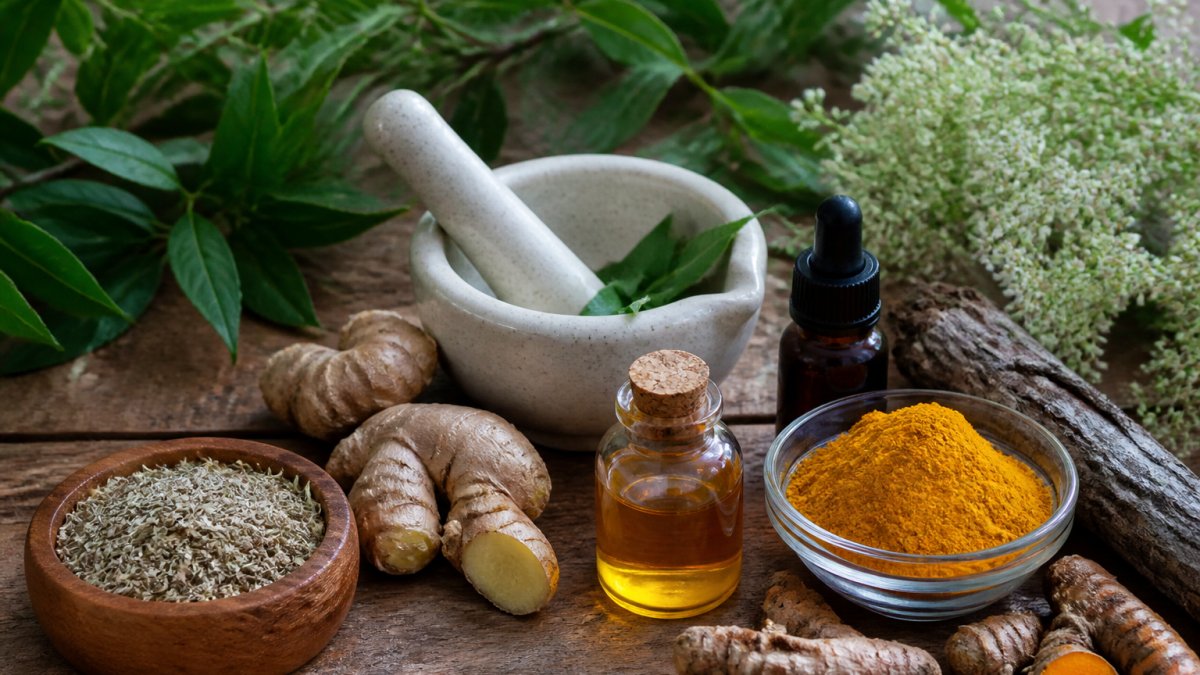
Counterirritants: menthol, camphor, methyl salicylate. These create a cooling or warming sensation that distracts from pain signaling and can temporarily increase local blood flow.
Botanical anti-inflammatories: arnica, comfrey, boswellia, ginger, turmeric. Arnica is the most common in balms, with the strongest evidence for acute, localized injury rather than long-term arthritis.
Structural compounds: glucosamine, chondroitin, MSM. These are the ingredients most people recognize from oral joint supplements, but in a balm they are not absorbed into cartilage in meaningful amounts.
Hemp and CBD. Topical cannabinoids interact with local skin receptors and are generally not absorbed into the bloodstream in significant amounts, which is why they are described as localized rather than systemic.
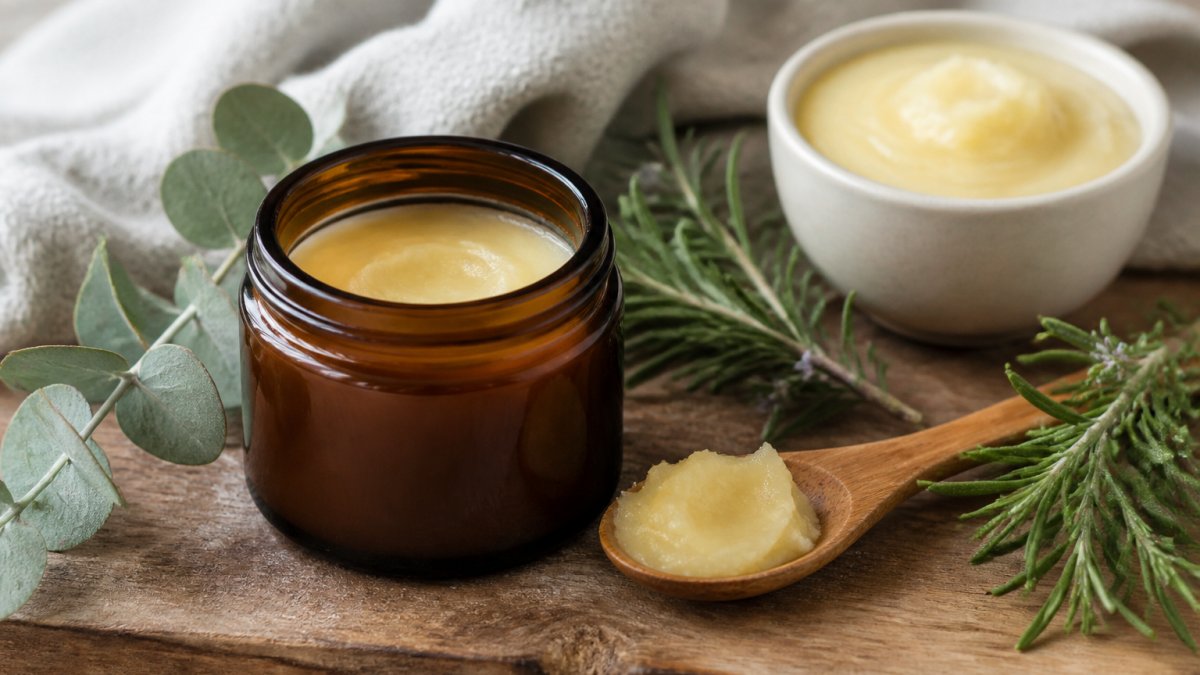
Carrier and penetration ingredients: beeswax, shea, jojoba, glacial clay, collagen, essential oils. These determine texture, staying power, scent, and absorption speed. Beeswax and shea create a thicker barrier that stays put on knees and elbows; jojoba and lighter oils absorb faster for hands.
A practical label check: look for at least one counterirritant or well-known botanical in the first five ingredients, treat glucosamine, chondroitin, and collagen as supporting players, and be skeptical of any balm that promises to rebuild cartilage or replace medical treatment.
The Best Cream for Knee Joint Pain and Mobility
Knee pain often limits mobility more than pain in other joints because the knee bears significant weight during daily movement. The best cream for knee joint pain needs to penetrate deeply, reduce inflammation, and support surrounding ligaments and tendons without restricting movement.
For knee-specific relief, look for a balm that combines warming and cooling sensations with active anti-inflammatory compounds. Warming increases blood flow to ease stiffness, while cooling provides immediate pain relief.
Application technique matters for knee pain. Apply the balm to the entire joint area: front, sides, and back of the knee. A thicker balm or ointment works better than a thin cream because it stays in place during movement and provides longer-lasting relief. Stick-format balms are convenient but may not cover a large joint like the knee.
Mamatuziosoil's pain relief ointments are formulated for joints like the knee, with a consistency that adheres to the skin and doesn't transfer to clothing. The professional-grade formula supports both immediate comfort and longer-term joint health, making it suitable for daily use.
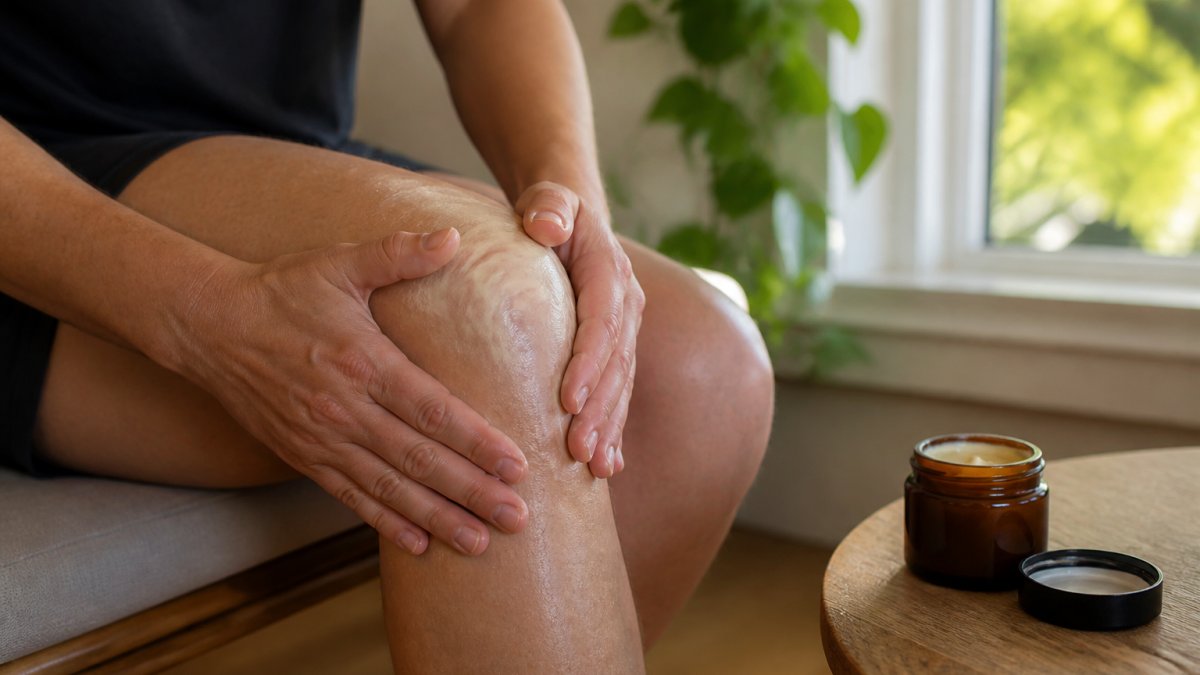
Apply the balm after warming up the joint through light movement or a warm shower, so the active ingredients penetrate more effectively.
Arthritis Hand Pain Relief: Targeted Solutions for Finger and Wrist Stiffness
Arthritis hand pain is particularly frustrating because your hands are essential for almost every daily task. Unlike knee pain, which you can sometimes rest, hand arthritis demands a solution that works while you're actively using your hands.
Hand arthritis involves inflammation in the small joints of the fingers and wrist. A targeted balm needs to reduce this inflammation while maintaining flexibility. Stiffness often worsens in the morning or after inactivity, so many people apply the balm before bed and again after waking.
The texture of a hand balm matters more than most people realize. Too thick leaves residue and makes gripping difficult; too thin absorbs too quickly for lasting relief. A well-formulated balm absorbs within minutes, leaving hands dry enough to work while the actives keep working on joint pain.
Finger and wrist stiffness respond well to balms that include minerals alongside anti-inflammatory compounds.
How to Check If a Joint Balm Is Genuinely Cruelty-Free
"Cruelty-free" is one of the least regulated phrases in skincare, and for a joint balm it can mean anything from a fully audited supply chain to a founder's personal assurance.
Step 1: Separate cruelty-free from vegan, organic, and sustainable. These are four different claims and a product can hold any combination of them.
- Cruelty-free means no animal testing at any stage: finished product, ingredients, and the suppliers who make them. It says nothing about what is inside the jar.
- Vegan means no animal-derived ingredients such as beeswax, lanolin, honey, or carmine. A balm can be vegan and still be tested on animals in some markets, and it can be cruelty-free while containing beeswax.
- Organic refers to farming and processing standards for plant ingredients. It is not an animal-testing claim.
- Sustainably sourced refers to environmental and supply-chain practices. It is also not an animal-testing claim.
If a brand uses one of these terms to imply another, that is a signal to slow down.
Step 2: Look for third-party certification, not just a logo. Leaping Bunny (Cruelty Free International) is the most widely recognized certification and requires an independent audit of the brand and its suppliers.
Step 3: Ask the three supply-chain questions. Contact the brand and ask: (1) Do you or any parent company test on animals? (2) Do your ingredient suppliers test on animals? (3) Do your contract manufacturers test on animals?
Step 4: Check the regulatory context. Some countries, including China historically, required animal testing for imported cosmetics, which is why some otherwise cruelty-free brands sold there under different rules.
Step 5: Compare balms on the criteria that actually affect value. Once cruelty-free status is verified, judge the product itself:
- Intended user. Some balms are formulated for people, some for pets, and some for both. A dog joint balm may contain essential oils that are fine for canine skin but irritating to human skin, and vice versa. Match the product to the user.
- Cost per ounce. Balms range widely in price and jar size. Divide price by ounces to compare fairly, and factor in how much you use per application.
- Format. Tins and jars are common and cheap but require finger application. Stick balms are convenient for hands and wrists but often too narrow for knees. Tubes and pumps reduce contamination and are easier for travel.
- Texture and scent. Thicker beeswax-based balms stay on knees and elbows; lighter jojoba or shea formulas absorb faster for hands. Strong menthol or essential-oil scents can be unpleasant for sensitive users or near pets.
- Ingredient transparency. Brands that publish full ingredient sourcing and certifier names are easier to trust than brands that only list actives.
Step 6: Patch test before committing. Even a verified cruelty-free balm can irritate your skin. Apply a small amount inside your wrist or behind your ear and wait 24 hours before using it on a joint.
A cruelty-free joint balm should satisfy two separate tests: an ethical one you can verify through certification and direct questions, and a practical one you can verify through cost per ounce, format, texture, and skin compatibility.
Safety, Skin Sensitivity, and When to Seek Professional Guidance
Joint balms are topical products, meaning they sit on your skin rather than entering your bloodstream in significant amounts. This makes them generally safe for most people, but skin sensitivity and underlying conditions still matter. Before using any new balm, especially if you have sensitive skin or eczema, do a patch test.
Apply a small amount inside your wrist or behind your ear and wait 24 hours. If you experience redness, itching, or irritation, the balm isn't right for you. If no reaction occurs, you can safely use it on the affected joint.
Some active ingredients interact with medications or skin conditions. If you're taking blood thinners, certain arthritis medications, or topical steroids, check with your healthcare provider before using a new balm. Arnica can interact with blood thinners in rare cases, and hemp-derived ingredients may interact with medications that affect the liver.
Skin conditions like eczema or psoriasis require extra caution. Natural balms can help some people and irritate others. The mineral-rich formulations in professional-grade balms like Mamatuziosoil are designed to support skin health, but individual responses vary, so a patch test is essential.
If joint pain persists despite consistent balm use, or if you develop swelling, warmth, or reduced range of motion, seek professional guidance. These signs may indicate arthritis progression or another condition requiring medical treatment. A topical balm is a support tool, not a replacement for professional care when pain is severe or worsening.
Choosing a cruelty-free joint balm means prioritizing both your comfort and your values. The balms that deliver real relief combine verified cruelty-free sourcing with professional-grade formulations that address specific joint concerns, whether that's knee mobility, hand arthritis stiffness, or general joint support. Mamatuziosoil's pain relief ointments meet both standards, delivering natural, effective relief while maintaining our commitment to animal-cruelty-free production.
Frequently Asked Questions
What should I look for in a cruelty-free joint balm?
Look for third-party certifications like Leaping Bunny or PETA recognition, which verify no animal testing occurred. Check the ingredient list for natural components like arnica, hemp, and glucosamine rather than synthetic additives. Read customer reviews specifically mentioning effectiveness for your condition (arthritis, tendonitis, or general joint stiffness). Verify the brand's sourcing practices and whether they test finished products on animals. Transparent brands publish their cruelty-free status prominently and provide clear ingredient sourcing information.
Can a topical joint balm help with arthritis hand pain?
Yes, topical balms can provide targeted relief for arthritis hand pain by delivering active ingredients directly to affected joints. Natural ingredients like arnica reduce inflammation, while hemp and CBD may ease discomfort in fingers and wrists. Results vary by individual and severity, mild to moderate pain often responds well, while severe arthritis may require balm combined with other treatments. Application multiple times daily typically yields better results. Always patch test first on sensitive skin and consult a healthcare provider if pain is severe or accompanied by swelling.
Which ingredients are commonly used in joint pain balms?
Effective joint balm ingredients include arnica (reduces inflammation and bruising), glucosamine and chondroitin, hemp and CBD (ease discomfort), collagen, and menthol (provides cooling relief). Natural oils like eucalyptus and peppermint improve circulation, while beeswax and shea butter protect skin. Quality balms combine multiple active ingredients rather than relying on a single compound.
How do I verify that a balm is genuinely cruelty-free and not just marketing?
Request certification documentation from the brand, legitimate cruelty-free products carry Leaping Bunny, PETA, or Choose Cruelty-Free logos. Verify these certifications directly on the certifying organization's website rather than trusting the brand's claim alone. Ask the manufacturer whether they test finished products on animals or source from suppliers who do. Check if they're vegan (no animal-derived ingredients) or merely cruelty-free (may contain animal products but weren't tested on animals). Brands without clear certification or transparency around testing practices should raise concerns.