 blog
Natural Alternatives to Steroid Creams for Eczema www.mamatuziosoil.com
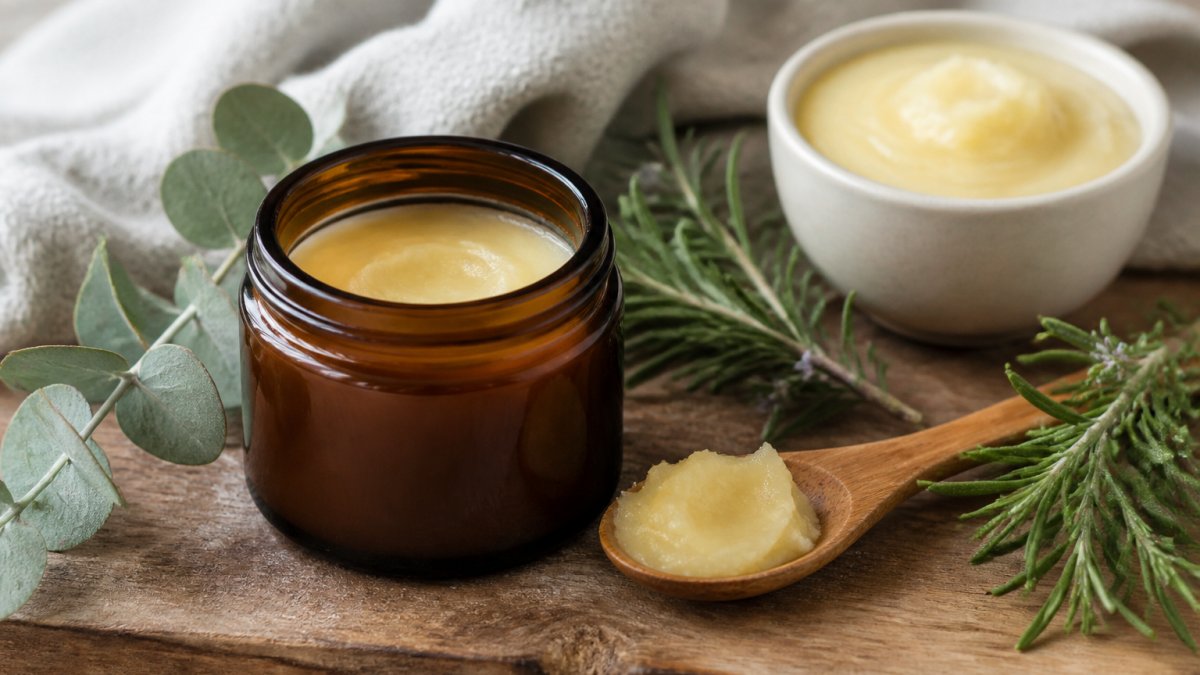
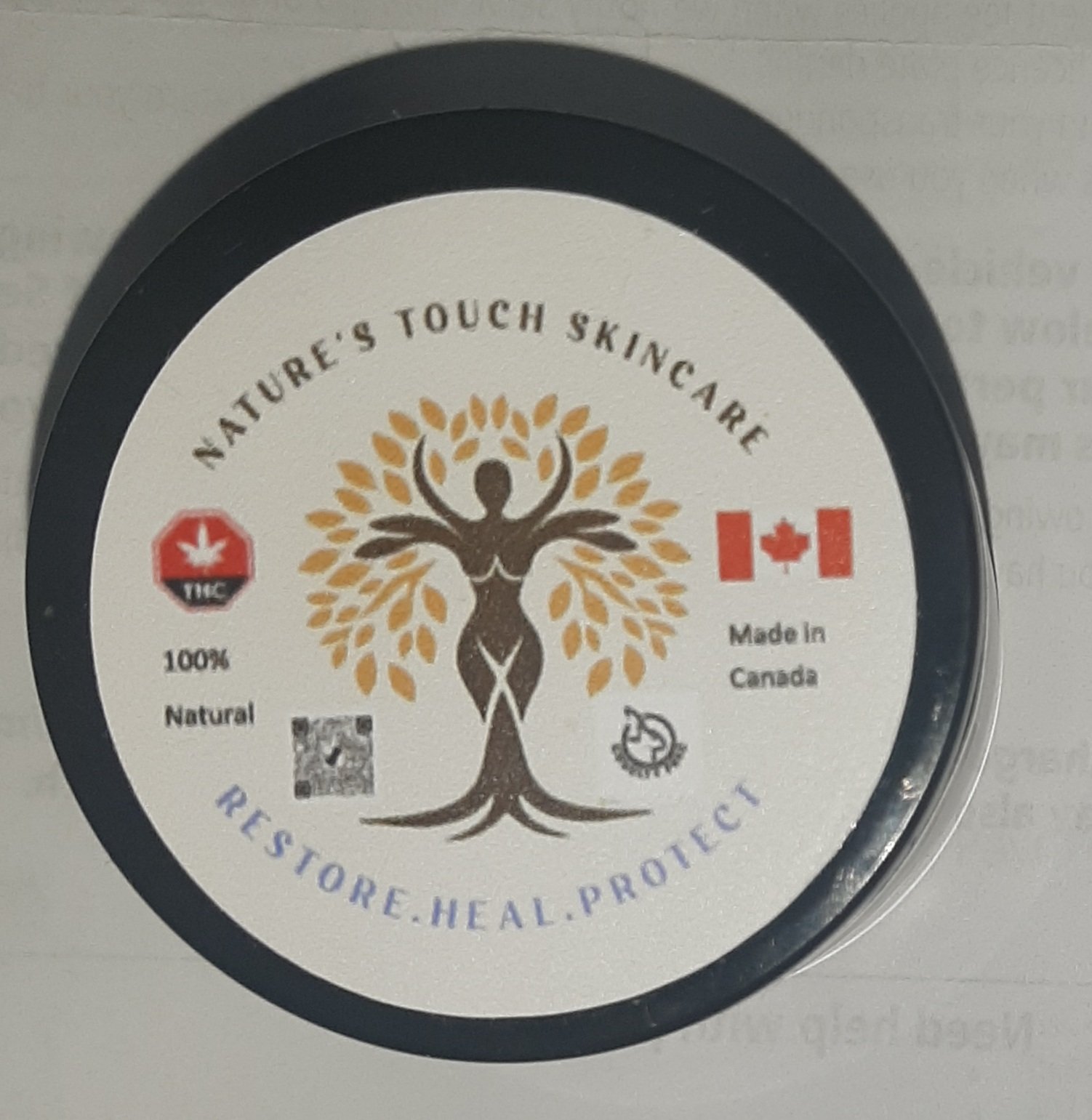
100 % Natural skin cream with CBD - Nature's Touch With Organic Shea Butter, beta-carotene, vitamins E,D,K, olive oil and CBD
Last Updated: November 6, 2026
Quick Summary
Facts of THC: Anti-fungal, Anti-Bacterial, Anti-Viral and Anti-inflammatory.
Olive Oil Is Rich in Healthy Monounsaturated Fats
About 14% of the oil is saturated fat, whereas 11% is polyunsaturated, such as omega-6 and omega-3 fatty acids (1)But the predominant fatty acid in olive oil is a monounsaturated fat called oleic acid, making up 73% of the total oil content. Studies suggest that oleic acid reduces inflammation and may even have beneficial effects on genes linked to cancer (2Trusted Source, 3Trusted Source, 4Trusted Source, 5Trusted Source).
Anti Bacterial:
The development of multidrug‐resistant bacteria has revealed the need for new antimicrobial compounds. Cannabis sativa preparations have a long history of medical applications, including the treatment of infectious diseases. This review collects the information about the activity of C. sativa extracts and its main components (cannabinoids and terpenes) against pathogenic bacteria and fungus, to assess its potential using as antimicrobial agents.
Keywords: antimicrobial activity, cannabinoids, Cannabis sativa, terpenes
Anti- Fungal:
CBD & Other Cannabis Compounds May Ease Fungal Infections
- Published April 14, 2019
- written by Michael Warford
Fungal infections aren’t something that most people like to talk about, but when they happen, they can feel extremely uncomfortable. While most folks opt for pharmaceuticals to treat fungal infections, alternatives are available. Many people, for example, have found that cannabidiol (CBD) products have helped them find relief from itchy and uncomfortable fungal infections.
Research is also increasingly backing up claims of CBD’s antifungal properties. We take a look at what that research shows and how you may be able to use CBD to treat fungal infections.
Table of Contents
- Why People Look for Natural Alternatives to Steroid Creams. www.mamatuziosoil.com
- Sunflower Seed Oil and Other Plant Oils
- Natural Remedies for Eczema in Adults.
- Natural Remedies for Eczema in Kids
- Natural Treatment for Eczema on the Face
- A Natural Replacement for Hydrocortisone Cream
- Frequently Asked Questions
Why People Look for Natural Alternatives to Steroid Creams. www.mamatuziosoil.com
Eczema is a chronic skin condition, and steroid creams are the standard treatment doctors reach for first. But many people want to step back from them. Common reasons include thinning skin, rebound flares, and a wish for something gentler for daily use.
This guide covers 5 natural alternatives to steroid creams for eczema, with honest notes on what each one can and cannot do. Below, we'll show you how to judge the evidence, which remedies suit which skin, and when to keep using your prescribed treatment.
What Steroid Creams Do and Where They Fall Short
Steroid creams calm inflammation fast. Hydrocortisone and stronger corticosteroids dial down the immune response in the skin, which eases redness and itch within days.
The catch is how they work. They suppress the flare, but they do not repair the skin barrier that caused it. Stop too soon and the flare often returns. Overuse can thin the skin.
How to Judge the Evidence Behind Any Remedy
A remedy is only as good as the testing behind it. Natural does not mean proven, and marketing claims are not studies.
Use this checklist before you trust any product or remedy:
- Is there a named study, or only a testimonial?
- Was the study done on eczema skin, or on healthy skin?
- Is the product fragrance-free and dye-free?
- Does the maker list every ingredient?
- Are there warnings about patch testing?
Real customer results matter too. You can read testimonials and textimonials from people who have tried a product before you buy.
Sunflower Seed Oil and Other Plant Oils
Plant oils differ in fatty-acid profile, feel on the skin, and risk of irritation, so they are not interchangeable. Each oil has a different fatty-acid profile, a different feel on the skin, and a different risk of irritation. The table below separates what human studies support from what is mostly laboratory or anecdotal.
Oil | Main fatty acids | What human evidence suggests | Watch out for |
|---|---|---|---|
Sunflower seed oil | High linoleic acid | Barrier support; some trials in infants and adults show improved hydration and reduced redness when used daily | Rare contact allergy; choose cold-pressed, fragrance-free versions |
Coconut oil | Lauric and myristic acid | Seals in moisture; small studies show reduced dryness and some antibacterial effect | Can clog pores for some; not for deep inflammation |
Olive oil | Oleic acid | Softens dry skin; evidence for barrier repair is weaker than sunflower | Can irritate broken or weeping skin; avoid on active flares |
Tea tree oil | Terpinen-4-ol | Antibacterial and anti-itch effects in laboratory studies; human eczema trials are small | Must be diluted to about 5% or less; never neat; patch test first |
Shea butter | Oleic and stearic acid | Rich emollient; supports moisture retention | Heavy feel; check for added fragrance |
Sunflower seed oil is high in linoleic acid, which the skin barrier uses to build ceramides.
Coconut oil is a good choice for calm, dry skin between flares. It seals moisture in and has a mild antibacterial effect, but it does not calm deep inflammation. Use it after bathing on damp skin, and patch test first if you are prone to irritation.
Olive oil is popular in natural skin care, but it is higher in oleic acid and can sting or irritate broken skin. Most practitioners suggest keeping it off active flares and using it only on intact, calm skin.
Tea tree oil is the one to treat with the most caution. Laboratory studies show antibacterial and anti-itch activity, but human eczema trials are small. It must be diluted, never applied neat, and patch tested on a small area first. It is not a first-line choice for facial eczema or for children.
Watch out: essential oils and botanicals are a common cause of contact allergy in people with eczema. Patch test any new oil on the inner forearm for 48 hours before using it on a larger area.
If you want a plant-oil conditioner, tusc is made with carefully chosen natural ingredients to soften and beautify skin.
Natural Remedies for Eczema in Adults.
A daily barrier-care routine is one way adults approach eczema between flares. Adult skin often reacts to stress, harsh soaps, long hot showers, and seasonal dryness. The goal is to reduce irritation, support the skin barrier, and calm itch without relying on steroid creams for every flare.
A practical, evidence-informed routine looks like this:
- Shower lukewarm, under 10 minutes, and use a fragrance-free wash.
- Pat dry gently, then moisturize within three minutes while the skin is still damp.
- Apply a thick emollient twice daily, and more often in winter or after hand washing.
- Use a cool compress for itch instead of scratching.
- Keep a short list of triggers and note what changed before each flare.
Beyond the routine, several remedies have reasonable human evidence for adults:
- Colloidal oatmeal: A common approach is to soak for 10 to 15 minutes in lukewarm water, then moisturize.
- Sunflower seed oil: High in linoleic acid. Patch test first.
Watch out: apple cider vinegar and bleach baths are often suggested online. Vinegar can burn broken skin, and bleach baths should only be used under medical guidance with the correct dilution. Neither is a substitute for prescribed treatment during a severe flare.
Natural remedies are not proven substitutes for prescribed corticosteroid treatment. Seek medical care if you see oozing, spreading redness, warmth, or no improvement after a week. Keep using any prescribed steroid cream as your doctor directed, and never stop it suddenly.
Natural Remedies for Eczema in Kids
Natural remedies for eczema in kids need extra care because children's skin is thinner and absorbs more. Gentle and fragrance-free beats strong every time.
Keep the routine simple:
- Short lukewarm baths with colloidal oatmeal
- Thick emollient after every bath
- Soft cotton clothing over irritated skin
- Cool compresses for itch
- Trim nails short to limit scratching
Always check with a pediatrician before trying a new remedy on a child, and patch test on a small area first.
Natural Treatment for Eczema on the Face
Natural treatment for eczema on the face calls for the mildest options, because facial skin is thin and visible. Irritation there shows fast.
Stick to fragrance-free emollients, colloidal oatmeal, and cool compresses. Avoid tea tree oil and apple cider vinegar on the face; both can burn sensitive skin.
Our Oceanic Glacial Clay 100ml promotes natural rehydration and replenishes beneficial minerals.
A Natural Replacement for Hydrocortisone Cream
A natural replacement for hydrocortisone cream is not a single product. It is a routine: emollients for barrier repair, colloidal oatmeal for itch, and plant oils for moisture.
Many people find this approach works well for mild, daily management. It is not a match for severe flares.
Seek medical care if you see oozing, spreading redness, or no improvement after a week. Keep using any prescribed corticosteroid as your doctor directed; never stop it suddenly.
Evidence-based treatment and natural care can work together. That is the honest answer most guides skip.
Frequently Asked Questions
What can I use instead of steroid cream for eczema? https://mamatuziosoil.com/products/Natures-Touch-Shea-Butter-with-CBD-p625307935
Several natural alternatives can soothe eczema between or alongside prescribed treatment. Colloidal oatmeal baths, coconut oil, sunflower seed oil, and cool compresses are commonly used between flares. Moisturizing daily with a fragrance-free emollient matters more than any single remedy. None of these replace a steroid cream your doctor prescribed for active inflammation. If your eczema is moderate to severe, use natural options as complementary care and keep your prescribed treatment.
Are natural alternatives to hydrocortisone safe for children?
Patch testing is essential before using any new product on children. Apply a small amount to the inner forearm and wait 24 hours before wider use. Avoid tea tree oil and other essential oils on young skin, since they can cause contact irritation. Keep baths lukewarm and short, and moisturize within three minutes of patting dry. For babies under two, check with a pediatrician before starting any new remedy.
Can I use natural remedies alongside prescribed eczema treatment?
Yes, and this is often the most sensible approach. Some people use moisturizers and oatmeal baths alongside topical steroids. Space applications so the emollient goes on after the medicated cream has absorbed. Tell your doctor which remedies you use, especially if you have contact allergies. Never stop a prescribed steroid abruptly without medical advice.
When should I see a doctor about an eczema flare?
Book an appointment if the skin looks infected (oozing, crusting, yellow pus, or spreading warmth), if itching prevents sleep for several nights, or if a flare does not improve after a week of consistent moisturizing. Seek urgent care for fever with a rash, rapid spreading, or blistering. Natural remedies manage symptoms but do not treat infection. Continuing prescribed medical therapy under a doctor's guidance is the safest path when flares escalate.
Eczema care is a long game, and the right routine makes it manageable. If you want natural, cruelty-free options that heal, protect, and restore skin, Mamatuziosoil offers professional-grade skincare for humans and pets, with mineral-rich clays and plant-based conditioners that promote natural rehydration. Get started with Mamatuziosoil and build a gentler daily routine for resilient skin.