 blog
Natural Joint Pain Relief Without Side Effects
An-Algea -100% natural pain relief. https://mamatuziosoil.com/products/An-Algea-250-p690156916
Last Updated: November 8, 2026
Quick Summary
Natural joint pain relief without side effects starts with the cheapest, safest layers: daily low-impact movement, heat for stiff joints and cold for swollen flare-ups, an anti-inflammatory food pattern, and topical products applied to the sore joint. Add herbs, supplements and braces only after checking for interactions, and track each remedy for two to three weeks to keep what helps.
- Use heat for 15 to 20 minutes on stiff joints and ice for 10 to 15 minutes on swollen ones.
- Start with 10 minutes of walking daily and add 5 minutes each week.
- Eat fatty fish two or three times weekly and leafy greens daily for omega-3s.
- Check with a pharmacist before adding turmeric, since it can interact with blood thinners.
- Seek medical care for a joint that is suddenly hot, red and swollen.
Table of Contents
- Why Natural Joint Pain Relief Without Side Effects Is Worth Comparing Properly
- What Counts as Natural Pain Relief, and Where the Evidence Stands
- Heat Therapy and Cold Therapy: Which One Your Joint Needs
- Low-Impact Exercise, Stretching and Mobility That Ease Joint Pain
- Anti-Inflammatory Foods, Herbs and Supplements That Reduce Inflammation
- Topical Pain Relief: Ointments, Massaging Oils and Glacial Clays
- Choosing the Best Hand Brace for Arthritis and Finger Support
- Side Effects, Interactions and When to Seek Medical Care
- Building Your Low-Risk Relief Plan with Mamatuziosoil
- Frequently Asked Questions
Why Natural Joint Pain Relief Without Side Effects Is Worth Comparing Properly
Most people reach for a pill first. That is understandable, but often the wrong first move.
An honest guide is more useful than a sales pitch.
Below, we break down what the evidence supports, what it does not, and how to stack remedies so you reduce pain without trading it for a new problem.
What Counts as Natural Pain Relief, and Where the Evidence Stands
Natural pain relief is any non-drug approach to easing joint pain: heat, cold, movement, food, herbs, and topical products.
"Natural" is a marketing word, not a medical one. Some natural remedies have decent support; others have almost none.
A practical way to think about it:
- Strong practical support: heat, cold, gentle movement, weight management
- Moderate support: turmeric, ginger, omega-3 fats
- Mixed or thin support: most herbal blends sold as "joint formulas"
Here is the part nobody tells you: even the good remedies work slowly.
The NHS guidance on arthritis is a good starting point for what is considered safe self-care.
Heat Therapy and Cold Therapy: Which One Your Joint Needs
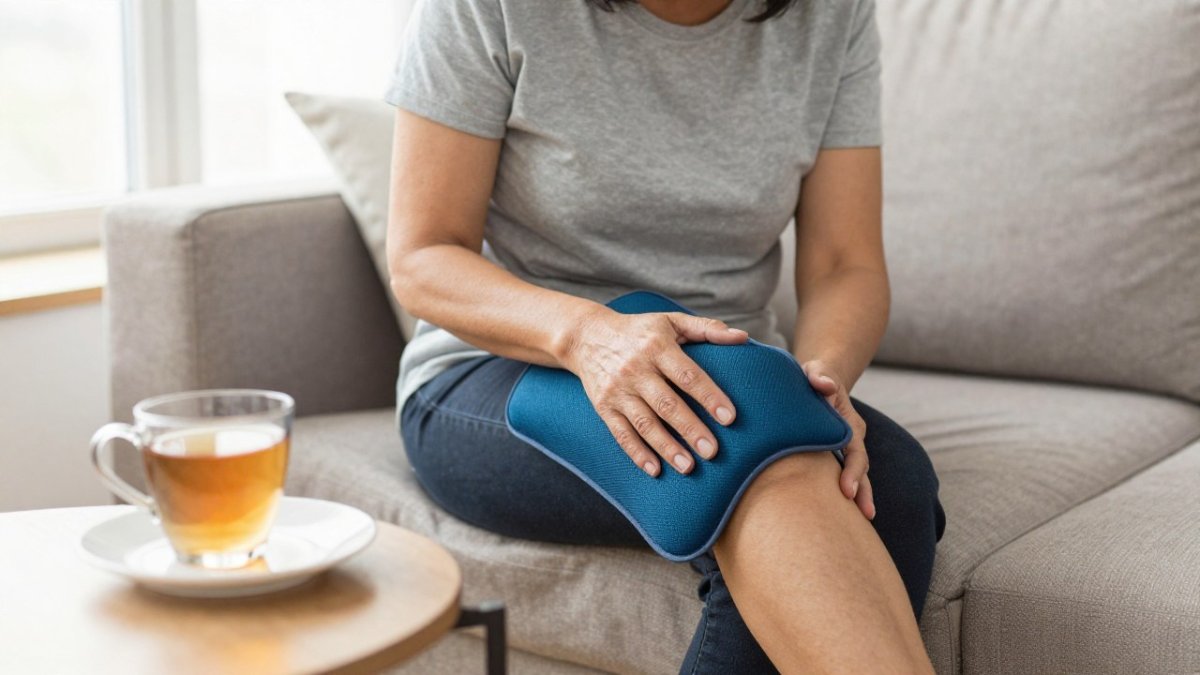
Heat and cold are the most accessible natural remedies for joint pain, and the two most often used incorrectly. The core rule: heat relaxes stiff, achy joints, while cold calms a hot, swollen flare.
How Heat and Cold Actually Work on a Joint
Heat widens blood vessels near the skin and relaxes muscle tissue around the joint, bringing oxygen and nutrients to the area and loosening stiffness that builds during rest, especially morning stiffness.
Cold narrows blood vessels, reducing blood flow and calming the swelling and inflammation that follow activity or injury.
Neither approach treats the underlying cause of joint pain. They are comfort tools that can provide enough relief to move.
Heating Pads, Heating Wraps and Warm Baths for Stiff Joints
Use heat when the joint feels tight rather than swollen. Morning stiffness is the classic case, and so is the stiffness that settles in after sitting for a while.
Practical rules that work:
- 15 to 20 minutes per session, once or twice a day
- Wrap the pad in a cloth, never on bare skin
- Use a heating wrap on hands and wrists where flat pads slip
A warm bath does double duty: the heat eases stiffness while the water supports your body weight as you stretch.
Watch out: heat on a joint that is already hot and puffy can make swelling worse.
Ice and Cold Packs for Flare-Ups and Swelling
Cold is for flare-ups. It numbs pain and narrows blood vessels, which calms swelling after activity or an injury. It is also the better choice for a joint that is visibly swollen or feels hot.
- 10 to 15 minutes at a time, with at least an hour between sessions
- Always wrap ice in a towel; never apply it directly to skin
- Never ice before exercise; ice after activity or when a flare begins
Many people alternate heat and cold. That is fine, but keep them apart by at least an hour.
Matching the Method to the Joint
Different joints respond better to different delivery methods. A flat heating pad works on the lower back and hips but slips off knees and shoulders; for hands and wrists, a heating wrap or warm-water soak is more practical.
Cold follows the same logic. A gel pack that stays flexible in the freezer molds to a knee or shoulder better than a rigid ice block.
Time to Relief and Duration of Effect
Heat and cold are generally used for short-term comfort. Neither changes the joint itself, so consistency matters more than intensity.
If heat and cold are not enough to let you move comfortably, that is a signal to look at the other layers in this guide, not to apply more heat for longer.
Low-Impact Exercise, Stretching and Mobility That Ease Joint Pain
Movement is the most underrated remedy on this list. Rest feels safer, but it stiffens joints and weakens the muscles that support them.
The evidence here is stronger than for most supplements. Physical activity is widely recommended as a core part of managing joint pain, not an optional extra, and the CDC overview of arthritis management backs that position.
Walking, Cycling and Aquatic Therapy
Pick the activity that spares the joint while working the muscles around it.
- Walking: easy on knees on flat surfaces with supportive shoes. Start with 10 minutes daily and add 5 minutes a week; it strengthens the muscles around the knee and hip without running's impact.
- Cycling: good for knees and hips; keep resistance light and the seat high enough that the knee does not over-bend at the top of the pedal stroke. Stationary cycling is easier to control than road cycling.
- Aquatic therapy: water takes the weight off so you can move more freely. Warm-water pools suit people who find land exercise painful; buoyancy reduces joint load while water provides gentle resistance, making it the best starting point for significant knee or hip pain.
Start with short sessions, ten minutes daily beats one long session a week, both for joint comfort and for building the habit. Add one new activity every two weeks rather than changing everything at once.
Stretching and Mobility Work
Stretching and mobility work belong in the same routine. Gentle range-of-motion moves, done daily, keep stiff joints from locking up. Move the joint through its available range without forcing it past the point of discomfort.
- Knees: seated leg extensions and gentle heel slides
- Hips: seated hip marches and gentle figure-four stretches
- Shoulders: pendulum swings and wall walks
Hold each stretch for 15 to 30 seconds and repeat two to three times. Do not bounce. A stretch should feel like a gentle pull, not pain. If a movement causes sharp pain, stop and try a smaller range.
How Much, How Often, and What to Expect
Guidance on weekly activity levels varies, so check with a clinician for a plan suited to you.
Benefits take longer than heat or cold. Improvements from consistent movement typically build gradually over several weeks.
Watch out: a flare-up is not a reason to stop moving entirely. Gentle range-of-motion movement is often used during a flare rather than complete rest.
Matching Exercise to the Joint and the Cause
The best exercise depends on which joint hurts and why. For knee osteoarthritis, walking, cycling, and aquatic exercise are mainstays, with quadriceps strengthening as a supporting habit.
If the pain follows an injury rather than a chronic condition, the progression is different. Start with gentle movement, avoid loading the injured joint, and seek a diagnosis if pain does not improve within a week or two.
Anti-Inflammatory Foods, Herbs and Supplements That Reduce Inflammation
Food will not cure arthritis. But diet is one of the few levers you control every day, and it is low risk.
The pattern that helps most is simple:
- Fatty fish two or three times a week for omega-3 fatty acids
- Leafy green vegetables daily
- Less processed food and sugar
Turmeric, Ginger and Other Herbal Remedies
Turmeric and ginger are two herbs that are often discussed in relation to joint comfort.
A common mistake is expecting a supplement to work like a painkiller. It will not.
Capsaicin creams are another option some people consider; they produce a warming sensation when first applied.
Watch out: turmeric supplements can interact with blood thinners. The Arthritis Foundation guide to supplements covers the interaction risks well.
Topical Pain Relief: Ointments, Massaging Oils and Glacial Clays
Topical relief is where natural joint pain relief gets practical. You rub it on the sore joint, and it works locally rather than through your whole body.
That local action is the main advantage. Less reaches your bloodstream, so side effects are usually milder than with pills.
Three categories cover most of the market:
- Ointments: thicker, longer-lasting, good for hands and knees
- Massaging oils: easy to work into stiff muscles around the joint
- Glacial clays: mineral-rich, used as a mask or poultice for sore, inflamed areas
Massage itself helps. Working a joint gently with warm hands eases muscle stiffness and gets blood moving.
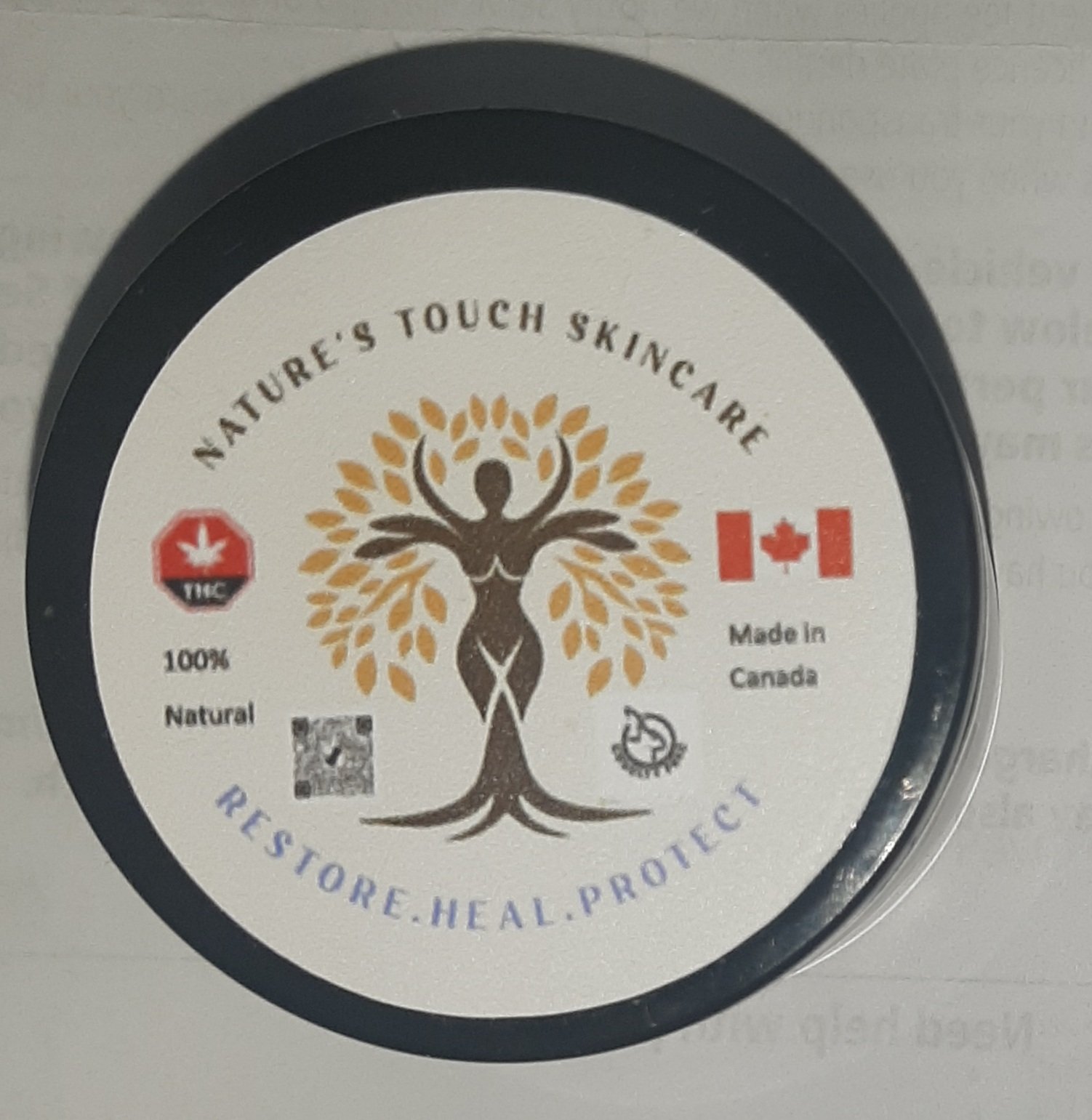
This is where our own range fits. Our An-Algea ointment is a hand-crafted blend of natural ingredients made to relieve muscle and joint pain, and it comes in a larger 100mL size if you use it daily. Our Oceanic Glacial Clay is a mineral-rich clay used to rehydrate and soothe skin over sore joints.
None of these replace medical care for severe arthritis.
Choosing the Best Hand Brace for Arthritis and Finger Support
The best hand brace for arthritis is the one you will actually wear. Fit and comfort beat features every time.
Hands are the hardest joint to treat. You use them constantly, so a brace that limits grip gets taken off within a day.
Soft Thumb Brace for Arthritis: Support Without the Bulk
A soft thumb brace supports the base of the thumb while leaving fingers free. It suits osteoarthritis at the thumb joint, where gripping and pinching hurt most.
Look for:
- Soft, breathable fabric
- Adjustable straps
- Enough support to steady the joint, not lock it
Arthritis Hand Brace for Sleeping: What to Wear Overnight
Overnight bracing is a different job. The goal is to keep the hand in a neutral rest position so it does not curl or stiffen while you sleep.
Pick a lighter, softer brace for night use. Heavy rigid splints disturb sleep and get removed.
Hand Brace for Arthritis in Fingers: Getting the Fit Right
A hand brace for arthritis in fingers should support the affected joints without cutting off circulation. Measure your hand, check the sizing chart, and adjust straps so you can still feel your fingertips.
Brace Type | Best For | Wear Time | Key Check |
|---|---|---|---|
Soft thumb brace | Thumb base pain, gripping | Daytime tasks | Fingers stay free |
Night resting brace | Morning stiffness | Overnight | Neutral wrist position |
Finger support brace | Individual finger joints | 2-4 hours as needed | Fingertips stay warm |
Side Effects, Interactions and When to Seek Medical Care
This is the section most natural remedy guides skip. It matters more than any single remedy.
Remedy | Main Risk | Who Should Be Careful |
|---|---|---|
Heat | Skin burns, worse swelling | Reduced skin sensation, hot joints |
Cold | Skin damage with long use | Poor circulation |
Turmeric, ginger | Blood-thinner interactions | Anyone on prescription medicine |
Capsaicin cream | Burning, skin irritation | Sensitive skin |
Supplements | Unverified ingredients | Pregnancy, chronic conditions |
Braces | Poor fit, circulation loss | Swelling, nerve conditions |
Seek medical care if you notice:
- A joint that is hot, red, and swollen suddenly
- Pain that wakes you at night and does not ease
- Fever with joint pain
These signs can point to infection or another condition that self-care will not fix. Natural relief is for management, not diagnosis.
If you want to see how other people with joint pain have fared with natural products, our customer testimonials are a reasonable place to look before you decide.
Building Your Low-Risk Relief Plan with Mamatuziosoil
Start with the cheapest, safest layers. Add complexity only when you need it.
A plan that works for most people:
- Daily movement. Walk or cycle, plus gentle stretching.
- Heat before activity, cold after flare-ups.
- Anti-inflammatory food pattern. Fish, greens, less sugar.
- Topical relief on the sore joint, used consistently.
- A well-fitted brace for hands during tasks or overnight.
- Herbs and supplements last, and only after checking interactions.
Track what you try for two to three weeks. Keep what helps, drop what does not. That simple log beats guessing.
Joint pain rarely has one fix. You can browse the full product range and build a routine that fits your day.
Frequently Asked Questions
Can natural remedies relieve arthritis hand pain?
Natural joint pain relief can ease arthritis hand pain for many people, though results vary by cause and joint. Heat therapy and warm baths are commonly used to ease stiffness, while cold packs are commonly used for flare-ups and swelling. Low-impact exercise and stretching keep mobility up, and anti-inflammatory foods plus herbs such as turmeric and ginger may reduce inflammation over time. Topical options like massaging oils and mineral-rich clays add local relief without pills. None of these replace medical care for severe or worsening pain.
What is the best hand brace for arthritis?
The best hand brace for arthritis depends on which joints hurt and when. For daytime tasks, a firm brace that stabilizes the thumb base and wrist helps most. For fingers, a lighter splint that leaves the knuckles free lets you keep grip strength. Overnight, a soft brace holds the hand in a neutral position so you do not wake up with stiff joints. Fit matters more than brand: the brace should feel supportive, not tight, and never cut off circulation.
Can you wear an arthritis hand brace while sleeping?
Yes, many people wear an arthritis hand brace for sleeping, and it often helps. A soft brace worn overnight keeps the wrist and fingers in a neutral position, which can reduce morning stiffness and protect the joint from curling under the pillow. Choose a breathable, low-profile design, loosen the straps slightly compared with daytime wear, and stop if you feel numbness or tingling. If symptoms persist after a few weeks, ask a clinician or hand therapist to check the fit.
How many hours a day should you wear a hand brace?
Most people do well wearing a hand brace for arthritis in fingers or the thumb during demanding tasks and overnight, not around the clock. A common pattern is a few hours during activity plus six to eight hours at night, with breaks to stretch and move the joint. Wearing a brace constantly can weaken muscles around the hand. Start with shorter periods, watch for skin irritation, and adjust based on how your joints feel the next morning.