 How-to
Can You Use Mineral Clay Masks on Sensitive Skin Daily?
Last Updated: November 9, 2026
Quick Summary
No, you should not use a clay mask on sensitive skin daily. Daily masking strips the moisture barrier and can worsen redness, tightness and flaking. For sensitive skin, start with once every 10 to 14 days and only increase to weekly if three consecutive masks cause no irritation.
- Kaolin is one of the gentler mineral clays, while bentonite is stronger and can dry skin quickly.
- Apply a thin layer, leave it on for 5 to 10 minutes, and rinse before the clay fully dries.
- Patch test behind the ear or on the jaw for 10 minutes, then wait 24 hours before a full mask.
- Mask at night, since skin repairs overnight and you avoid sun exposure on freshly treated skin.
- Even oily skin does not need daily masking; two to three times a week is plenty.
Table of Contents
- Can You Use a Clay Mask on Sensitive Skin Every Day?
- What Daily Clay Masking Actually Does to Reactive Skin
- Choosing a Clay Mask for Sensitive Skin: Kaolin, Bentonite and Glacial Clay
- How to Use a Clay Mask Without Triggering Redness or Dryness
- When to Use a Clay Mask: Morning or Night?
- Can I Use a Clay Mask Every Day for Oily Skin?
- How Often Should You Use a Clay Mask by Skin Type?
- Clay Masks and Your Existing Routine: Actives, Eczema and Broken Skin
- Building a Gentle Clay Routine with Mamatuziosoil
- Frequently Asked Questions
Can You Use a Clay Mask on Sensitive Skin Every Day?
No. A clay mask should not go on sensitive skin every day. Daily use strips the moisture barrier and often makes redness and tightness worse.
A common mistake is applying a mineral clay mask daily because it feels calming after one use, only to find the skin stinging a couple of weeks later.
Here is the core tension: clay absorbs oil and pulls out impurities. That same action also pulls water from the skin. Sensitive skin has a thinner, weaker barrier, so it loses that water faster.
Below, we break down what daily masking really does, which clays suit reactive skin, and how to build a routine that calms instead of irritates.
What Daily Clay Masking Actually Does to Reactive Skin
Daily masking overworks the moisture barrier. Mineral clay draws out sebum and water together. On tough, oily skin that is fine. On sensitive skin, it triggers dryness, flaking and stinging within days.
Think of your skin barrier as a brick wall. The bricks are skin cells and the mortar is oil and water. Clay pulls at that mortar. Use it once a week and the wall rebuilds. Use it daily and the wall never gets the chance.
The difference between cleansing and masking matters. A gentle daily cleanser lifts dirt and leaves the barrier intact. A clay mask is a treatment, not a wash, so it is best used as an occasional reset rather than a daily habit.
Watch out: if your skin feels tight and looks shiny right after a mask, you have stripped it. That is not "clean." That is damage.
Choosing a Clay Mask for Sensitive Skin: Kaolin, Bentonite and Glacial Clay
Kaolin clay is generally considered one of the gentler mineral clays, while bentonite is a stronger clay that can dry the skin more quickly.
Here is how the main mineral clays compare:
| Clay type | Strength | Best for | Watch out for |
|---|---|---|---|
| Kaolin | Mild | Sensitive, dry skin | Little oil control |
| Bentonite | Strong | Oily, acne-prone skin | Dryness and tightness |
| Glacial clay | Medium | Dull, combination skin | Patch test first |
For reactive skin, start with kaolin or a glacial clay. Leave bentonite for your T-zone only, and only if your skin tolerates it.
How to Read Irritation Versus Normal Post-Mask Tightness
Mild tightness for a few minutes after rinsing is normal. It should fade once you apply moisturizer. Burning, itching, or redness that lasts hours is irritation, not a normal result.
Use this quick check:
- Normal: slight tightness, gone within 10 minutes of moisturizing
- Too much: stinging during the mask, flush that lingers past an hour
- Stop use: swelling, hives, or peeling
If you hit the second or third row, cut back on frequency and shorten the leave-on time. If irritation continues, stop and speak to a dermatologist.
How to Use a Clay Mask Without Triggering Redness or Dryness
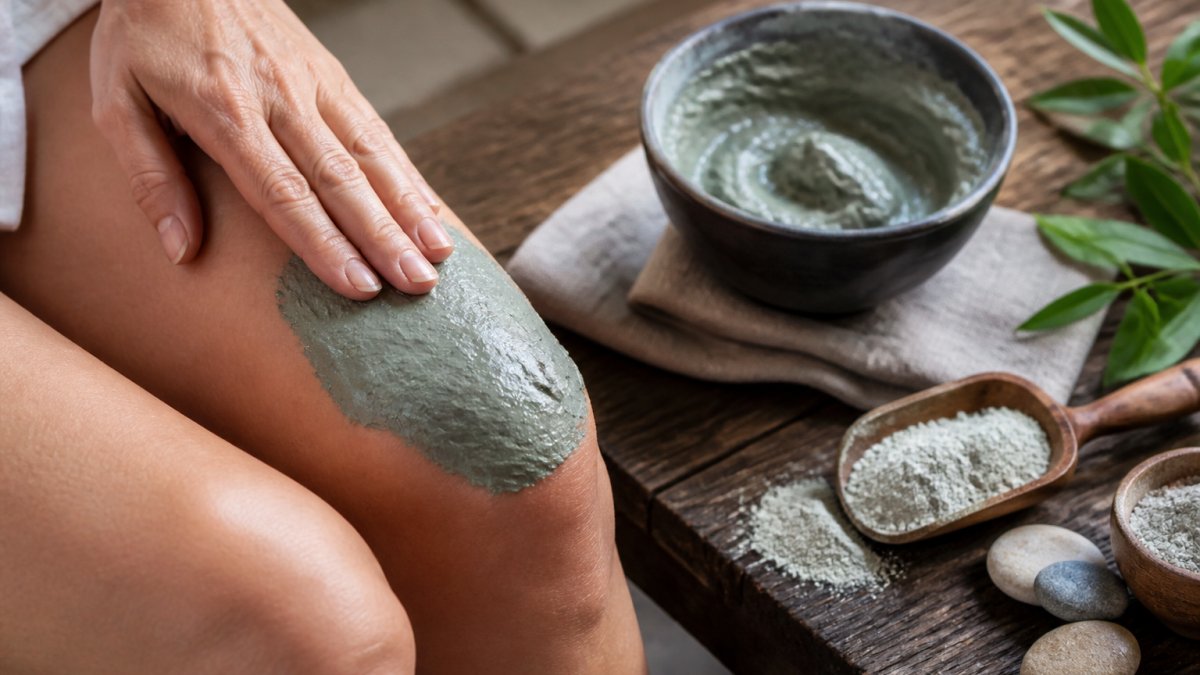
Less is more with a clay mask on sensitive skin. Apply a thin layer, keep it on for 5 to 10 minutes, and rinse before it fully dries. Never let clay crack on your face.
Follow these steps:
- Wash with a gentle cleanser and pat dry.
- Patch test on your jaw first (see below).
- Apply a thin layer, avoiding the eye area.
- Set a timer for 5 to 10 minutes.
- Rinse with lukewarm water, not hot.
- Follow with a moisturizer while skin is still damp.
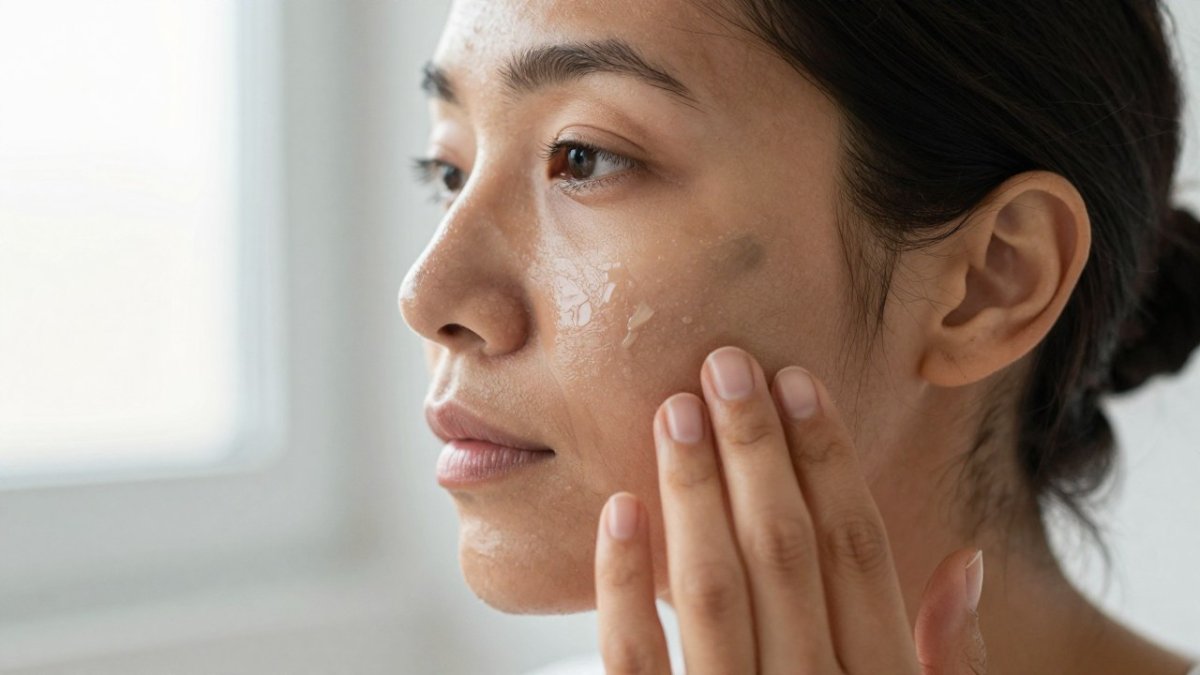
Skip the "detox tingle." That sensation is not the mask working. It is your skin reacting. A good clay mask should feel cool and calm, not sharp.
For post-mask care, a skin conditioner like tusc helps restore softness and calm any tightness. Apply it right after rinsing, while the skin is still damp.
Patch Testing and Introducing Clay Slowly
Patch testing is the only reliable way to know how your skin will respond. Apply a small amount of clay behind your ear or on your jaw. Leave it 10 minutes, rinse, and wait 24 hours.
If there is no reaction, try a full-face mask at half the normal time. Do this once, then wait a full week before the next one. This slow ramp gives your barrier time to adapt.
A common mistake is testing on the wrist. The skin there is different from your face. Test on the jaw or behind the ear instead.
When to Use a Clay Mask: Morning or Night?
Night is the better time for a clay mask. Your skin repairs itself overnight, and you avoid sun exposure on freshly treated skin. Evening masking also fits a calm wind-down routine.
Morning masking works only if you have no actives in your routine and you use sunscreen after. For sensitive skin, night wins almost every time.
A simple rule: mask at night, moisturize well, and let your skin rest while you sleep.
Can I Use a Clay Mask Every Day for Oily Skin?
Even oily skin does not need a daily clay mask. Two to three times a week is plenty for most oily and acne-prone skin. Daily use can trigger rebound oil as the skin overcompensates for the oil you stripped.
Oily skin tolerates clay better than dry skin, but the barrier still needs a break. If you are very oily, use bentonite on the T-zone two or three times a week and skip the cheeks.
The goal is balance, not zero oil. Sebum protects the skin. Remove too much and your skin fights back by making more.
How Often Should You Use a Clay Mask by Skin Type?
Match frequency to your skin type, not to a trend. Sensitive and dry skin need the least. Oily skin can handle a little more.
| Skin type | Starting frequency | Leave-on time | Escalation rule |
|---|---|---|---|
| Sensitive / reactive | Once every 10-14 days | 5 minutes | Only increase to weekly if three consecutive masks cause no redness, stinging, or flaking |
| Dry | Once a week | 5-7 minutes | Stay at weekly; do not increase in winter or during active treatment |
| Combination | 1-2 times per week | 7-10 minutes | Spot-treat the T-zone only; leave cheeks out |
| Oily / acne-prone | 2-3 times per week | 10 minutes | Cap at three; add a rest week every fourth week |
Leave-on time
For sensitive skin specifically, the cautious schedule is the point. Start at once every two weeks, not once a week. A common pattern practitioners see is that reactive skin tolerates the first mask well, then flares on the second or third because the barrier has not fully rebuilt.
Here is how to escalate safely:
- Mask once. Wait 10-14 days.
- If no redness, stinging, or flaking appeared in that window, mask again at the same interval.
- After three clean cycles, you can move to once a week, but only if your skin stayed calm the whole time.
- If any cycle produces irritation, drop back to the previous interval and shorten the leave-on time by two minutes.
Watch out: do not use a "calm" result after one mask as proof your skin can handle weekly masking. One good result tells you the product is not an immediate irritant; it does not tell you the barrier can sustain repeated use.
A direct clarification that many guides blur: daily cleansing is not daily masking. Washing your face every day is normal and necessary. Applying a clay mask every day is a treatment decision, and for sensitive skin the answer is no.
If you have rosacea, eczema, or are using prescription topicals, treat the table as a ceiling rather than a target. Most dermatologists would rather see sensitive skin masked less often and moisturized more consistently than masked on a schedule the skin has not earned.
Clay Masks and Your Existing Routine: Actives, Eczema and Broken Skin
Never layer a clay mask on top of strong actives. Retinoids, acids and vitamin C can make skin more reactive, and clay on top of them raises the risk of irritation. Skip the mask on nights you use actives.
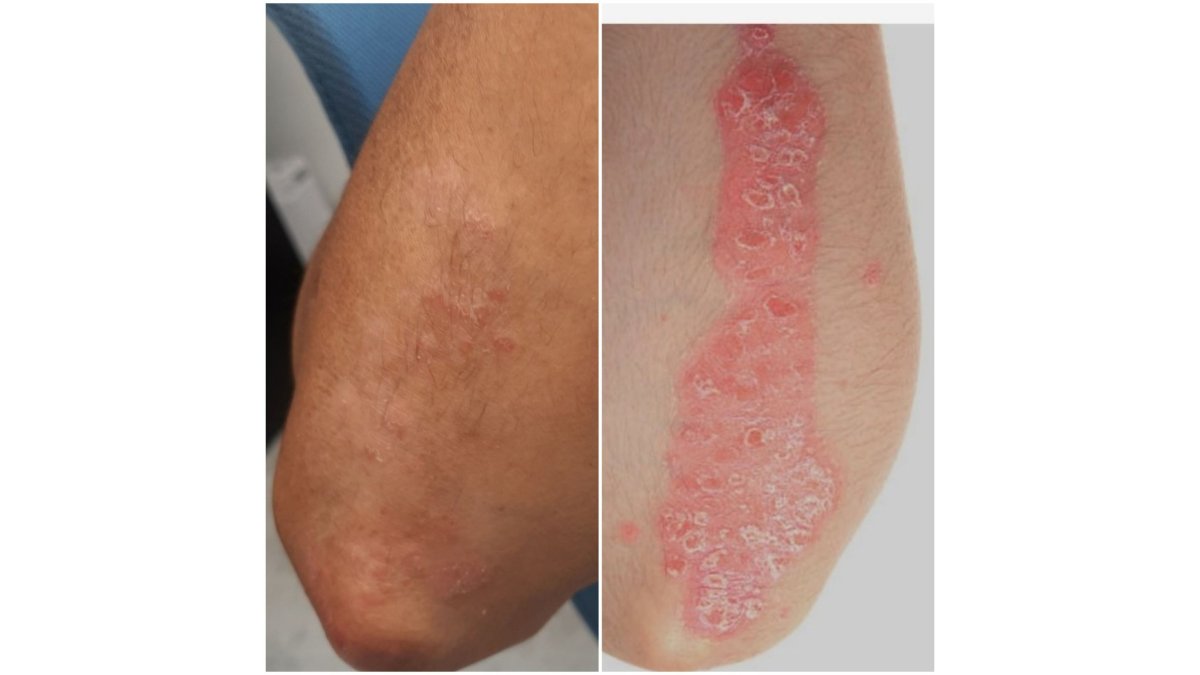
If you have eczema or psoriasis, treat clay as an occasional treatment, not a staple. Avoid masking over broken, cracked or weeping skin entirely. Clay on broken skin stings and slows healing.
For compromised or reactive skin, pair masking with a soothing moisturizer. Our Nature's Touch Shea Butter with CBD is infused with extra virgin olive oil and CBD, giving the skin an extra layer of protection after a mask.
Building a Gentle Clay Routine with Mamatuziosoil
A gentle clay routine is simple: mask once a week, patch test first, and moisturize right after. That is the whole formula. The rest is patience.
Our Oceanic Glacial Clay 100ml promotes natural rehydration and replenishes beneficial minerals to renew the skin. It improves tone and texture without the harsh pull of stronger clays. If you mask often or share with family, the professional-size 350ml gives you more to work with.
Here is the routine we recommend for sensitive skin:
- Cleanse gently, then pat dry
- Apply a thin layer for 5 minutes, once a week
- Rinse with lukewarm water
- Moisturize while skin is damp
- Skip actives that night
That is it. No daily masking, no tingling, no guesswork.
Sensitive skin does not have to skip clay masks. It just needs a slower, gentler approach. If you want a mineral clay that purifies without stripping, Mamatuziosoil's glacial clay is made for exactly that. It promotes natural rehydration, replenishes beneficial minerals, and improves skin tone and texture. Get started with Mamatuziosoil and give your skin a weekly reset it can actually tolerate.
Frequently Asked Questions
Is it okay to use a clay mask every day?
For most people, no. Daily clay masking can strip natural oils faster than the skin replaces them, which leads to tightness, flaking and redness. Sensitive and dry skin types do best with once a week or every other week. Oily, non-reactive skin may tolerate two to three times per week. If you want a daily ritual, keep it to a gentle kaolin-based clay mask with a short leave-on time and follow with a moisturizer.
Can sensitive skin use a mineral clay mask at all?
Yes, with the right clay and a slow introduction. Kaolin clay is the mildest option and suits most reactive skin, while bentonite draws more oil and can feel drying. Do a patch test on your inner forearm 24 hours before your first full application, keep the mask on for five to seven minutes, and rinse before it fully dries. Stop if you notice stinging, heat or spreading redness rather than simple tightness.
Why does my skin feel tight or break out after a clay mask?
Tightness usually means the mask stayed on too long or drew out more oil than your skin could replace. Apply a moisturizer within a few minutes of rinsing to settle the moisture barrier. Breakouts after masking often come from leaving clay on until it cracks, from not cleansing off residue, or from a reaction to added fragrance and essential oils. Choose a short-ingredient clay formula and rinse with lukewarm water.
Should I moisturize after using a clay mask?
Yes. Clay pulls oil and impurities from the surface, so the skin needs moisture put back straight away. Apply a moisturizer while the skin is still slightly damp, within two to three minutes of rinsing, to support the moisture barrier. If you use actives such as retinol or acids, skip them on mask nights and let the moisturizer do the work instead.