 Ultimate guide
Glacial Clay Benefits for Skin Inflammation: 2026 Guide
Table of Contents
- What Glacial Clay Is and Why It Helps Inflamed Skin
- Glacial Clay for Sensitive Skin: What It Can and Cannot Do
- How Glacial Clay Calms Redness, Acne, and Excess Oil
- How to Use Glacial Clay on Face Without Irritating Your Skin
- How Long to Leave a Clay Mask On (and How Often)
- Glacial Clay vs Bentonite Clay: Which Suits Your Skin?
- Safety, Allergies, and Skin Conditions Like Eczema and Rosacea
- Conclusion: Realistic Expectations for Glacial Clay
- Frequently Asked Questions
Last Updated: October 6, 2026
What Glacial Clay Is and Why It Helps Inflamed Skin
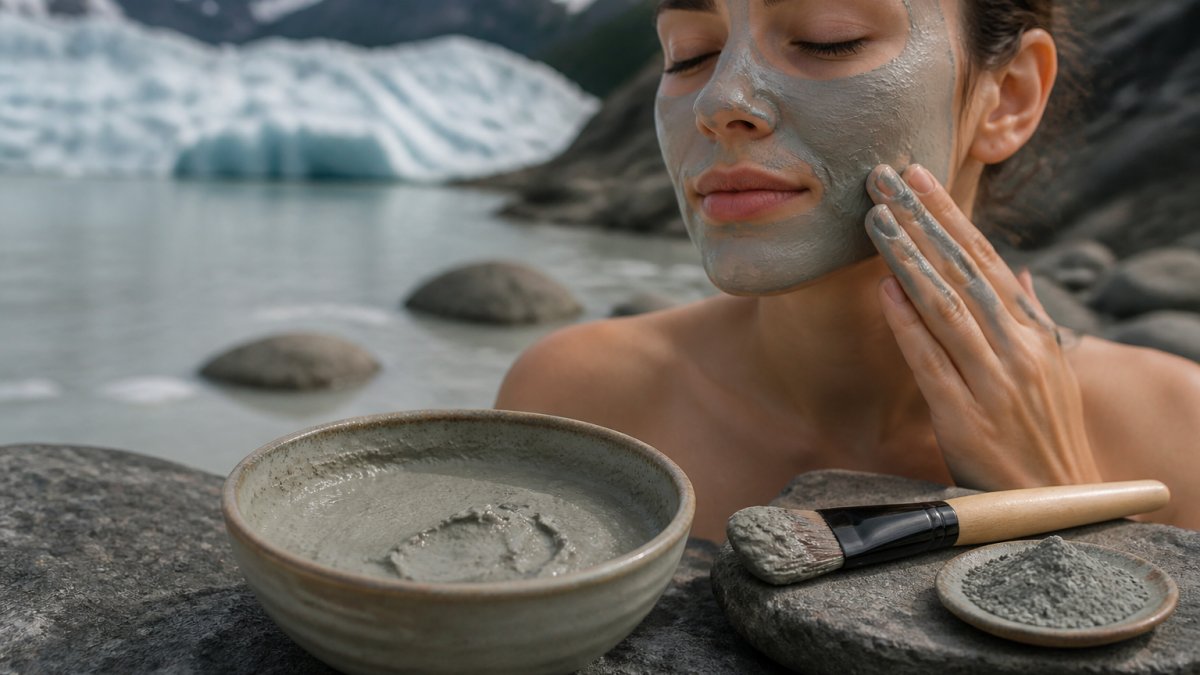
Glacial clay is a mineral-rich sediment formed from rock ground fine by ancient ice sheets and deposited in glacial valleys and coastal beds. At Mamatuziosoil, we work with mineral-rich glacial clays precisely because inflammation-prone skin responds to gentle mineral support, not harsh stripping.
The distinction matters. Most clay masks on the shelf are designed to pull oil out fast. Glacial clay works differently: the particles are typically finer, so the clay spreads without dragging across reactive skin, and the trace minerals it carries support the skin barrier rather than depleting it.
Minerals and Trace Elements That Matter
Iron and magnesium dominate the conversation, but the supporting cast does real work too. Magnesium supports barrier function. Silica contributes to the smooth, soft feel skin has after a mask. Calcium and potassium round out the mineral profile.
One mineral worth knowing by name: nontronite, an iron-rich clay mineral found in some glacial deposits. Nontronite is often cited for its soothing properties, though the evidence behind specific claims is thinner than marketing suggests.
Glacial Clay for Sensitive Skin: What It Can and Cannot Do
Glacial clay for sensitive skin is best understood as a calming, purifying support, not a treatment. It can reduce surface oil, temporarily tighten the look of pores, and leave reactive skin feeling less hot and irritated.
Here's the honest version. Clay masks work through two mechanisms: absorption of excess oil and sebum from the surface, and mild physical exfoliation when rinsed.
If you have a diagnosed skin condition, clay belongs alongside your dermatologist's plan, never in place of it.
How Glacial Clay Calms Redness, Acne, and Excess Oil
Redness, breakouts, and shine often share one root: an overactive oil balance combined with a compromised skin barrier. Glacial clay addresses the surface side of that equation by absorbing excess oil without the tight, stripped feeling that stronger clays can leave behind. But how exactly does it work, and what does the evidence actually support?
The Mechanisms: Adsorption and Mineral Support
Clay masks work through two primary mechanisms: adsorption and mild physical exfoliation. Adsorption is the process where clay particles bind to oil and surface debris, allowing them to be rinsed away with water.
The mineral content adds a secondary layer of support. Magnesium, for example, is involved in barrier function and may help reduce reactivity. Silica contributes to a smooth after-feel.
What the Evidence Says, and Doesn't Say
Most claims about glacial clay's benefits for inflammation come from marketing rather than peer-reviewed research. A few small studies suggest that certain clay minerals can adsorb bacteria and toxins, and some traditional uses support soothing effects. However, there is no strong clinical evidence that glacial clay treats acne, rosacea, or dermatitis. It may help manage surface oil and provide a temporary calming effect, but it should not replace prescribed treatments.
Acne-Prone Skin and Blemishes
For acne-prone skin, the benefit is indirect but real. By clearing surface oil and debris, clay reduces the environment where blemishes form. It doesn't kill Cutibacterium acnes (the bacterium involved in acne) the way benzoyl peroxide or salicylic acid would, and it won't clear cystic acne. What it does well is keep the surface calm enough that other treatments can work. Use clay as a weekly reset, not a daily fix.
Drawing Out Impurities and Pore Cleansing
"Drawing out impurities" is the phrase every clay brand uses. What it actually describes is adsorption: clay particles bind to oil and surface debris so they rinse away with water. Pore cleansing works the same way, loosening what's sitting in the pore opening rather than reaching deep inside it. That's still useful. Clogged pores respond well to consistent, gentle clearing.
Redness and Irritation Relief
Glacial clay may temporarily reduce the look of redness by cooling the skin and removing surface irritants. However, it does not address the underlying inflammation that causes redness in conditions like rosacea. If your redness is persistent or accompanied by burning or stinging, consult a dermatologist. Clay can be part of a soothing routine, but it is not a stand-alone solution.
How to Use Glacial Clay on Face Without Irritating Your Skin
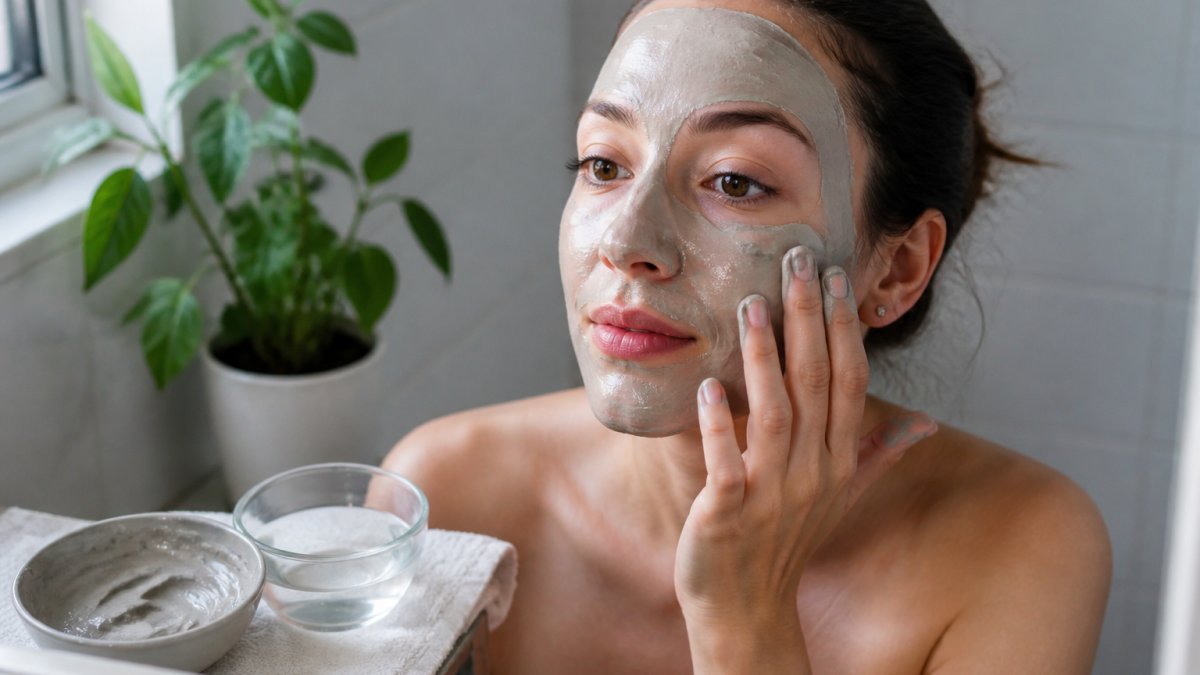
The safest method is simple: cleanse, apply a thin even layer to damp skin, leave it for the time your skin tolerates, and rinse with lukewarm water before the clay fully dries. Patch-test first on your inner forearm.
Step-by-Step Application for Reactive Skin
- Wash with a gentle, fragrance-free cleanser and pat dry, leaving skin slightly damp. Damp skin helps the clay spread evenly without tugging.
- Apply a thin layer with clean fingertips or a soft brush, avoiding the eye area and any broken skin. A thin layer is enough, thick layers don't improve results and can dry unevenly.
- Leave on for 8-10 minutes the first time. Track how your skin feels. If you feel stinging or burning, rinse immediately.
- Rinse with lukewarm water and a soft cloth. Never scrub. Scrubbing can cause microtears and worsen inflammation.
- Follow immediately with a fragrance-free moisturizer to restore hydration. This step is non-negotiable for reactive skin.
Frequency: How Often Is Safe?
Once a week suits most skin types. Oily or acne-prone skin can handle twice weekly if it tolerates it well. Sensitive or eczema-prone skin should start at once every 10-14 days. The signal to rinse is texture, not the clock.
If your skin stings, burns, or feels tight after rinsing, cut the time in half next session. Persistent stinging means the product isn't right for you, regardless of how natural the ingredients are.
Condition-Specific Cautions
If you have eczema, psoriasis, dermatitis, or rosacea, talk to your dermatologist before adding clay to your routine. These conditions involve a compromised skin barrier, and anything that absorbs oil can worsen dryness during a flare.
For rosacea, choose a clay that is free of menthol, camphor, and essential oils, which can trigger flushing. For eczema, avoid clays with added fragrance or preservatives that may cause contact dermatitis.
Patch Testing and Contraindications
Patch-test every new clay product, even a natural one. "Natural" describes origin, not safety, and plant or mineral ingredients can still trigger contact dermatitis.
Skip clay entirely on broken, cracked, or weeping skin. Stop use immediately if irritation develops and persists. If you are using prescription topicals like retinoids or acids, consult your dermatologist before combining them with clay, as the combination can be overly drying.
How Long to Leave a Clay Mask On (and How Often)
Leave a clay mask on for 8-12 minutes, and no longer than 15.
The signal to rinse is texture, not the clock. When the clay shifts from glossy to matte but hasn't started cracking, it's done.
If your skin stings, burns, or feels tight after rinsing, cut the time in half next session. Persistent stinging means the product isn't right for you, regardless of how natural the ingredients are.
Glacial Clay vs Bentonite Clay: Which Suits Your Skin?
Glacial clay vs bentonite clay comes down to strength. Bentonite is a swelling clay with strong absorption, well suited to very oily, non-reactive skin. Glacial clay is gentler, with finer particles and a broader trace mineral profile, which makes it the better match for sensitive, reactive, or mature skin.
| Factor | Glacial Clay | Bentonite Clay |
|---|---|---|
| Absorption strength | Moderate | High |
| Particle texture | Fine, smooth | Denser, swelling |
| Best for | Sensitive, reactive, mature skin | Very oily, resilient skin |
| Risk of tightness | Lower | Higher |
| Trace minerals | Broad profile | Narrower profile |
Neither is "better." The right choice depends on how your skin reacts. If bentonite leaves you tight and flushed, glacial clay is the smarter swap.
Safety, Allergies, and Skin Conditions Like Eczema and Rosacea
Patch-test every new clay product, even a natural one. "Natural" describes origin, not safety, and plant or mineral ingredients can still trigger contact dermatitis.
If you have eczema, psoriasis, dermatitis, or rosacea, talk to your dermatologist before adding clay to your routine. These conditions involve a compromised skin barrier, and anything that absorbs oil can worsen dryness during a flare.
Skip clay entirely on broken, cracked, or weeping skin. Stop use immediately if irritation develops and persists.
Conclusion: Realistic Expectations for Glacial Clay
Expect calmer-looking skin, less surface shine, and a softer texture after a few weeks of consistent, moderate use. Don't expect a chronic condition to resolve, and don't expect overnight change.
Mamatuziosoil makes 100% natural, cruelty-free mineral-rich glacial clays and skin conditioners designed to heal, protect, and restore skin without stripping it. Our professional-grade range replenishes beneficial minerals and supports natural rehydration, for people and for pets with dry, irritated skin.
Get started with Mamatuziosoil and give your skin a gentler weekly reset.
Frequently Asked Questions
Is glacial clay good for skin inflammation?
Glacial clay may help calm skin inflammation because its fine particles and mineral content can soothe irritation and support the skin barrier. It is not a treatment for inflammatory skin diseases like eczema or psoriasis, but many people find it reduces redness and discomfort when used as a gentle mask. Patch test first, and stop if irritation worsens. For chronic conditions, use it alongside, not instead of, medical care.
Can glacial clay soothe irritated or sensitive skin?
Yes, many people with sensitive or reactive skin find glacial clay soothing because it is fine-textured and mineral-rich. It can help calm redness and irritation when applied thinly and removed before it dries completely. If your skin is highly reactive, start with a five-minute patch test on your inner arm. Avoid mixing it with strong acids or essential oils, which can trigger further irritation.
How long should you leave a glacial clay mask on?
Leave a glacial clay mask on for 8 to 12 minutes. Remove it while it is still slightly damp with lukewarm water and a soft cloth. If you have dry or sensitive skin, aim for the shorter end. Never let the mask crack or pull tight, as that strips moisture and can worsen irritation. Follow with a gentle moisturiser to support your skin barrier.
How often can you use a glacial clay mask?
Most skin types can use a glacial clay mask once or twice a week. Oily and acne-prone skin may tolerate twice weekly, while dry or sensitive skin should start with once a week or every ten days. Watch how your skin responds after each use. If you notice tightness, flaking, or increased redness, reduce frequency and focus on hydration between masks.
What should you do if a clay mask makes your skin feel tight or irritated?
Remove the mask immediately with lukewarm water and skip any exfoliants or active ingredients for a few days. Apply a fragrance-free moisturiser to help restore your skin barrier. Tightness usually means the mask was left on too long or your skin is too dry for that clay type. Next time, try a shorter application, a thinner layer, or switch to a gentler clay.
Can glacial clay help with acne-related redness?
Glacial clay can help with acne-related redness by absorbing excess oil and drawing out impurities that clog pores. Its calming minerals may also reduce visible irritation. It will not clear active acne on its own, and harsh clay masks can sometimes make redness worse if overused. Use it once or twice weekly as part of a gentle routine that includes a non-comedogenic moisturiser.