 Comparison
What Is the Best Natural Anti Inflammatory for Dog Joints?
Last Updated: November 18, 2026
Quick Summary
The best-supported natural anti inflammatory for dog joints is omega-3 fatty acids (EPA and DHA), which have the strongest clinical evidence in dogs and typically take 4 to 8 weeks to show effect. Turmeric and green-lipped mussel are reasonable supportive options, but both have weaker evidence. Always confirm dosing and interactions with your vet first.
- Omega-3s have the best clinical backing of the three main joint ingredients.
- Start fish oil low and build up over two to three weeks to avoid loose stools.
- Curcumin may increase bleeding risk and interact with NSAIDs and anticoagulants.
- Score your dog weekly on walking, stairs, rising, and mood using a 1-5 scale.
- Never give human NSAIDs like ibuprofen, which are toxic to dogs.
Table of Contents
- Why Dog Owners Are Turning to Natural Anti Inflammatory Options
- Turmeric, Omega-3s, and Green-Lipped Mussel: How the Main Ingredients Compare
- What Can I Give My Dog for Joint Pain at Home?
- Natural Anti-Inflammatory Foods for Dogs
- Natural Joint Supplements for Dogs: Homemade vs Store-Bought
- Natural Anti Inflammatory for Dog Joints: Home Remedies That Actually Help
- How to Track Whether a Natural Remedy Is Working
- Choosing a Natural Joint Product for Your Dog
- Frequently Asked Questions
Why Dog Owners Are Turning to Natural Anti Inflammatory Options
A natural anti inflammatory for dog joints is a food, supplement, or topical product that aims to ease joint inflammation and stiffness without prescription drugs. Many dog owners feel stuck between watching their dog slow down and reaching for daily medication.
The appeal is simple. Natural approaches let owners support joint health at home, alongside their vet's advice, rather than instead of it. The American Veterinary Medical Association's guidance on complementary therapies makes one point clear: these options work best as part of a plan your vet knows about.
Below, we break down what actually helps, what to skip, and how to tell if a remedy is working.
Turmeric, Omega-3s, and Green-Lipped Mussel: How the Main Ingredients Compare
Three ingredients dominate the natural joint category. Each works through a different mechanism, each has a different evidence base, and each carries its own safety considerations. The table below grades the evidence and flags the practical details most guides skip.
| Ingredient | How It Helps | Evidence Grade | Typical Onset | Best For | Key Safety Note |
|---|---|---|---|---|---|
| Turmeric (curcumin) | Traditional use plus some small veterinary studies; less robust than omega-3 evidence | Weeks | Mild stiffness | May interact with anticoagulants and NSAIDs; poor absorption without a bioavailability enhancer | |
| Omega-3s (EPA/DHA) | EPA and DHA shift the balance of inflammatory mediators | Best-supported among the three, with clinical research in dogs | 4-8 weeks | General joint support | High doses can cause loose stools; caution with pancreatitis or fish allergy |
| Green-lipped mussel | Marine lipids and glycosaminoglycans may support cartilage | Moderate evidence, mostly small studies | Weeks | Stiff older dogs | Avoid with shellfish sensitivity |
Turmeric and Curcumin
Turmeric is the most talked-about herb for canine arthritis, and curcumin is its active compound. Curcuminoids are what researchers study, but plain turmeric powder absorbs poorly on its own. Many supplements pair it with black pepper extract (piperine) or a lipid formulation to improve uptake.
Dosing and administration: Veterinary dosing for curcumin is not standardized, and most practitioners find that weight-based ranges vary by formulation.
Watch out: Curcumin may increase bleeding risk and can interact with NSAIDs, anticoagulants, and some chemotherapy drugs. Dogs with gall bladder issues or on multiple medications should not start turmeric without veterinary clearance.
Omega-3 Fatty Acids (EPA and DHA)
Omega-3 fatty acids, particularly EPA and DHA, are among the best-supported natural options for joint inflammation. Fish oil is the usual source, and quality matters more than quantity. Look for a product that states EPA and DHA amounts per serving, not just total fish oil.
Dosing and administration: Most veterinary guidance centers on EPA and DHA combined rather than total oil volume.
Watch out: Dogs with fish allergies or a history of pancreatitis need veterinary clearance first. High-dose fish oil can affect platelet function, so disclose it before any surgery or if your dog takes anticoagulants.
Green-Lipped Mussel and Marine Oils
Green-lipped mussel oil is a marine ingredient marketed for stiffness and cartilage support. It offers a different approach from turmeric, and some owners rotate between the two. The evidence is moderate, mostly small studies, so treat it as a supportive option rather than a proven stand-alone treatment.
Dosing and administration: Dosing depends on whether the product is a powder, oil, or extract, and label recommendations vary widely. Follow the product's weight-based instructions, introduce it gradually, and allow several weeks before judging results.
Watch out: Dogs with shellfish sensitivities should skip it. Marine oils can also interact with blood thinners, so mention any supplement to your vet before surgery or when other medications are in use.
How to Compare These Three
Use the same criteria for any product: a full ingredient list, a stated amount of the active compound per serving, a clear weight-based dosing chart, and third-party quality testing. Evidence grade matters too, omega-3s have the strongest clinical backing, green-lipped mussel is moderate, and turmeric rests more on traditional use and small studies. None of these replaces veterinary diagnosis or pain management for advanced arthritis.
What Can I Give My Dog for Joint Pain at Home?
The safest home answer is a combination: a good joint supplement, gentle daily movement, weight control, and a warm, soft place to rest. No single remedy replaces veterinary care for chronic conditions.
Practical steps we recommend:
- Choose one supplement at a time so you can judge what works
- Keep portions steady; sudden diet changes upset digestion
- Ask your vet about drug interactions before adding herbs
- Never give human NSAIDs like ibuprofen, which are toxic to dogs
If your dog is limping badly or refuses to move, that is a vet visit, not a supplement question.
Natural Anti-Inflammatory Foods for Dogs
Certain foods may support dogs with inflammation when fed in sensible amounts. Colorful vegetables and leafy greens add antioxidants, while carrots and sweet potatoes offer fiber and beta-carotene. A spoonful of turmeric mixed into food, a drizzle of fish oil, or a little cooked pumpkin can all fit into a balanced diet.

Keep additions small. Treats and toppers should stay a minor share of daily calories, and any food change deserves a check with your vet. Foods support joint health; they do not replace treatment.
Natural Joint Supplements for Dogs: Homemade vs Store-Bought
Homemade supplements give you control over ingredients. Store-bought products give you consistency and a stated dose. Both have a place.
- Homemade: You know exactly what goes in, but dosing is guesswork and shelf life is short.
- Store-bought: Standardized amounts per serving, easier to track, but labels vary wildly in quality.
For owners who want a ready-made option, our K9FL CBD and olive oil blend is formulated for pets. Whatever you choose, read the ingredient panel first. That is the single best habit before buying.
Natural Anti Inflammatory for Dog Joints: Home Remedies That Actually Help
Some natural anti inflammatory for dog joints home remedies earn their reputation. Others are folklore. Here is our honest read, with the safety details most lists leave out.
- Warm compresses: Gentle warmth eases stiffness before a walk. Use gentle warmth and check it on your wrist first before applying it to your dog. Never leave a heating pad unattended or use one on a dog that cannot move away from it.
- Massage: Light massage supports circulation and comfort. Work along the muscles around the joint, not directly on a hot or swollen joint, and stop if your dog tenses or pulls away. A dog with a suspected injury or a suddenly swollen joint should see a vet before any massage.
- Topical ointments: A natural joint and muscle ointment can soothe sore spots. Our An-Algea ointment contains camphor, menthol, and eucalyptus leaf. Keep topical products away from your dog's eyes, nose, and mouth, and prevent licking immediately after application.
- Weight management: Extra weight loads every joint. This is the most underrated remedy. Even a modest reduction in body condition score can reduce strain on hips and knees, and most vets will set a target weight and a safe rate of loss.
- Gentle daily movement: Short, frequent walks and controlled leash time keep joints mobile without overloading them. Avoid high-impact play on hard surfaces during flare-ups.
Watch out: Never give human NSAIDs like ibuprofen or naproxen, they are toxic to dogs. Do not combine home remedies with prescription anti-inflammatories without asking your vet, because some herbs and marine oils can increase bleeding risk or interact with the medication.
How to Tell If a Home Remedy Is Helping
Measuring progress turns guesswork into decisions. Score your dog weekly on four things: willingness to walk, stair use, rising from rest, and overall mood. A simple 1-5 scale works. Record the baseline before you start, reassess at two weeks and again at four to six weeks, and bring the notes to your vet. If there is no change after a fair trial, stop the remedy and reassess rather than adding more products.
When Natural Approaches Are Not Enough
Home remedies support comfort; they do not replace diagnosis or effective pain treatment. See a vet promptly if your dog is limping badly, refuses to move, yelps when touched, has a suddenly swollen joint, or shows weakness in more than one limb. These signs can indicate injury, infection, or immune-mediated joint disease that needs medical treatment. For chronic arthritis, natural options work best alongside a veterinary plan that may include prescription pain relief, physical therapy, and weight management.
How to Track Whether a Natural Remedy Is Working
Measuring progress turns guesswork into decisions. Score your dog weekly on four things: willingness to walk, stair use, rising from rest, and overall mood. A simple 1-5 scale works.
Realistic onset matters. Most natural options need weeks, not days. If nothing changes after a fair trial, stop and reassess with your vet. Reading real customer experiences with natural pain relief can also help you set expectations before you commit.
Choosing a Natural Joint Product for Your Dog
Check the label before the marketing. Look for a full ingredient list, a stated amount per serving, and clear sourcing. Ask whether the product suits your dog's size, allergies, and current medication.
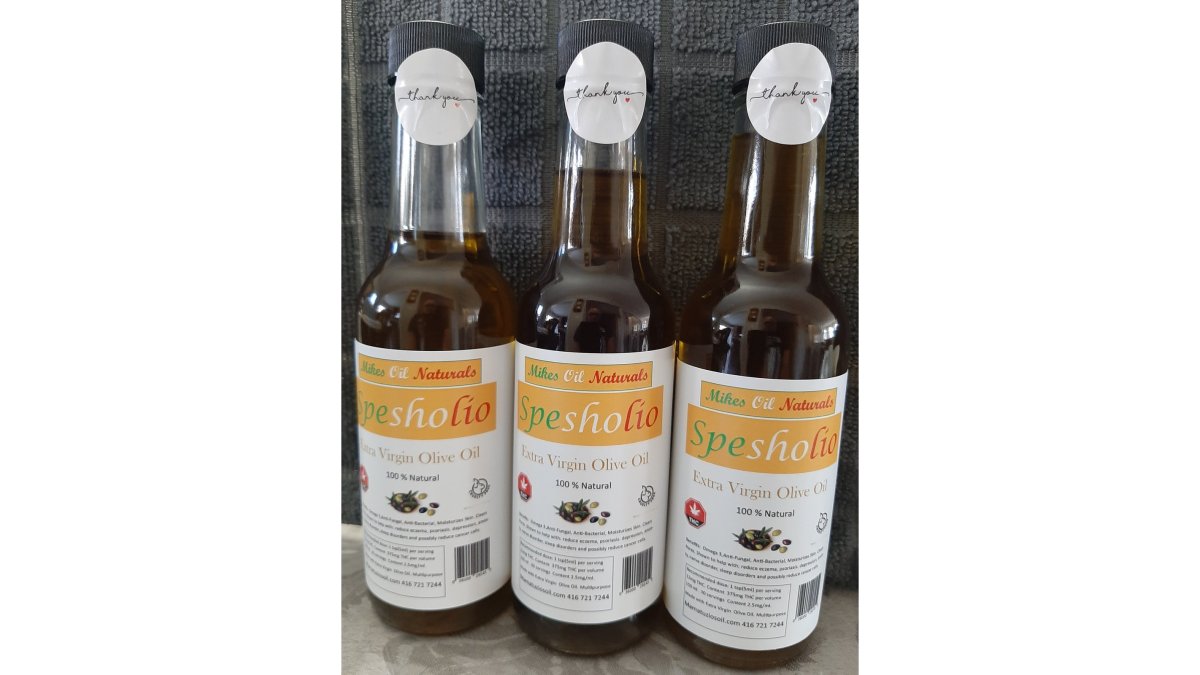
Mamatuziosoil products are 100% natural and skin safe. Our owner holds a Bachelor of Science degree majoring in Biology. We also believe in transparency: check ingredients, do your research, and ask questions.
Natural joint support works best when it is consistent, informed, and matched to your dog's real needs. If you are tired of products that promise everything and deliver little, Mamatuziosoil offers 100% natural, cruelty-free options for pets and people, including our K9FL pet blend and An-Algea pain relief ointment.
Frequently Asked Questions
What can I give my dog for joint inflammation?
Commonly discussed options include omega-3 fatty acids from fish oil (EPA and DHA), turmeric with a black pepper extract to improve absorption, and green-lipped mussel oil. Glucosamine and chondroitin appear in many joint supplements, though evidence for them is mixed. Start one ingredient at a time so you can tell what helps, and check the dose with your vet before adding anything, especially if your dog takes other medication. A natural anti inflammatory works best as part of a wider plan that includes weight management and gentle exercise.
Are turmeric or fish oil safe for dogs with joint pain?
Both are generally well tolerated when given at appropriate doses. Turmeric can cause stomach upset in some dogs, and high doses may affect blood clotting, so avoid it before surgery. Fish oil can cause loose stools at high doses and may interact with blood thinners. Use products formulated for dogs rather than human capsules, follow the label, and introduce each one gradually. If your dog has a chronic condition or is on medication, ask your vet first.
Can I make a natural joint supplement for my dog at home?
You can, but keep it simple. A common homemade approach combines a dog-safe fish oil for omega-3s with a small amount of turmeric and a pinch of black pepper to aid absorption. The hard part is dosing accurately and keeping the mix fresh. Many owners find a measured, single-ingredient product easier to control. Whatever you make, introduce it slowly, watch for stomach upset, and confirm the amounts with your vet rather than guessing from a recipe online.
When should a dog with joint pain see a veterinarian?
Book a vet visit if your dog limps, struggles to rise, avoids stairs, or shows stiffness that lasts more than a few days. Sudden severe pain, swelling, or reluctance to eat needs prompt attention. A vet can rule out fractures, infections, and other causes, and confirm whether the issue is arthritis or something else. Natural remedies can support joint health, but they do not replace a diagnosis, and some ingredients interact with prescription medication.