 How-to
7 Natural Ways to Recover From Tendonitis
Last Updated: November 13, 2026
Quick Summary
Tendonitis recovery works best as a staged plan: calm the tendon with relative rest, ice and compression for the first 72 hours, then restore pain-free range of motion, then load the tendon gradually by about 10% per week. Move to each stage only when the tendon gives you specific green lights, not when a set number of days has passed.
- Apply cold therapy for 10 to 15 minutes at a time, wrapped in a cloth, never directly on skin.
- In the first 72 hours, use relative rest and activity modification rather than total stillness.
- During range-of-motion work, stop before pain reaches a 3 out of 10.
- Increase tendon load by roughly 10% per week, and drop back a step if pain lingers more than 24 hours.
- See a doctor if pain lasts more than two to three weeks with no improvement.
Table of Contents
- A Staged Tendonitis Recovery Plan That Actually Works
- What Helps Tendons Heal Faster: Ice, Heat, and Compression Timing
- The Best Anti Inflammatory for Tendonitis: What the Evidence Supports
- Tendonitis Foods to Avoid and What to Eat Instead
- Natural Remedies for Tendonitis in Wrist and Hands
- Tendinitis vs Tendinopathy vs a Tear: Knowing Which You Have
- How Long Recovery Takes and When to See a Doctor
- Choosing a Natural Pain Relief Ointment for Your Recovery
- Frequently Asked Questions
A Staged Tendonitis Recovery Plan That Actually Works
Tendonitis recovery is the process of calming an irritated tendon, restoring movement, and then rebuilding strength without triggering another flare. Most people treat tendon pain as one event, but the first 72 hours need a very different approach from week three.
What separates a plan that works from a list of remedies is progression criteria. Instead of following a calendar, you move to the next stage only when the tendon gives you specific green lights. Below is a three-stage plan with benchmarks for each transition.
Step 1: Calm the Irritation in the First 72 Hours
Your only job in the first three days is to settle the tendon down. That means relative rest and activity modification, not total stillness.
- Stop the movement that caused the pain, typing, gripping, running, or whatever loaded the tendon.
- Apply cold therapy for 10-15 minutes at a time, wrapped in a cloth, never directly on skin.
- Elevate the hand or wrist above heart level where possible.
- Use light compression to support the area without squeezing it tight.
Green light to move to Step 2: sharp pain at rest has eased, you can move the joint through a small arc without a sharp catch, and the tendon is not hot or visibly swollen.
Watch out: the biggest mistake is jumping straight to strengthening exercises while the tendon is still hot and swollen. That sets recovery back, not forward.
Step 2: Restore Range of Motion Without Flaring Pain
Once the sharp pain eases, usually after a few days, start moving again slowly. The goal is gentle stretching and range of motion, not strength.
- Move the joint through a small, pain-free arc several times a day.
- Add light massage around the tendon, not directly on it.
- Keep movements slow and controlled, and stop before pain reaches a 3 out of 10.
A common mistake is pushing into pain because "no pain, no gain." That advice does not apply to a healing tendon.
Green light to move to Step 3: you can complete daily tasks with mild or no pain, range of motion is close to normal, and the tendon feels calm the morning after gentle movement.
Step 3: Load the Tendon Gradually
This is where real recovery happens. Tendons adapt to load, but only in small, steady steps.
Start with low-impact exercise and light resistance, for a wrist, that might mean isometric holds or a light resistance band. Increase load by roughly 10% per week, and keep the pain rule simple: discomfort during exercise should settle within 24 hours. If pain lingers more than a day, drop back a step.
Progression criteria matter more than a calendar. Move forward when the tendon feels calm during and after activity, not when a set number of days has passed. A physiotherapist can help you set load targets for your specific tendon.
What Helps Tendons Heal Faster: Ice, Heat, and Compression Timing
Ice and heat do different jobs, and timing decides which one you need. Cold therapy calms fresh irritation in the first few days. Heat therapy comes later, once the sharp phase has passed, to ease stiffness and get blood flowing.
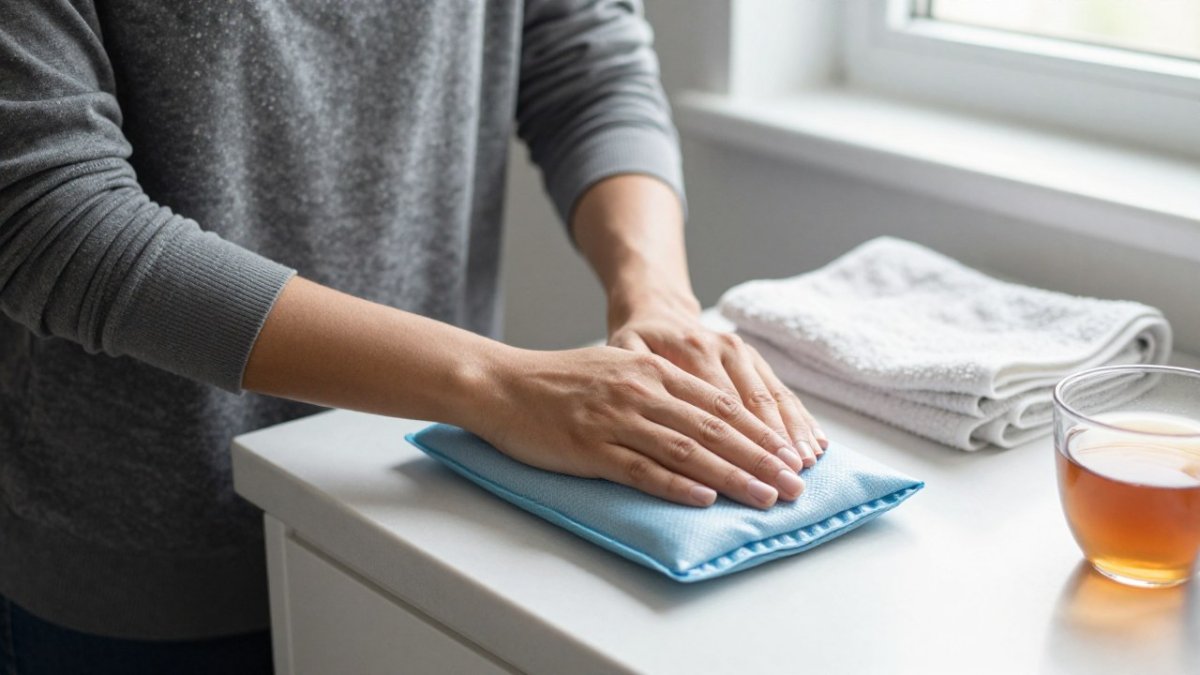
Most guides mention both but leave you guessing. Use this symptom-based decision guide instead:
| Your symptom right now | Reach for | Why |
|---|---|---|
| Sharp, hot, swollen, or recently flared | Ice | Calms swelling and sharp pain |
| Stiff and achy, especially in the morning | Heat | Loosens stiffness and warms tissue for movement |
| Sore after activity but not swollen | Ice briefly after activity | Manages post-activity flare-ups |
| Calm but stiff before exercise | Heat before movement | Prepares the tendon for gentle loading |
A practical rule many practitioners use: ice for the first 72 hours and after activity if the tendon feels irritated; heat before movement once the sharp phase has passed. Never apply either directly to skin, and keep sessions to about 10-15 minutes.
Compression helps control swelling, and elevation supports drainage. Together with rest and ice, these form the classic RICE approach. It is a solid starting point, not a full plan, RICE manages symptoms but does not rebuild tendon capacity, which is why the staged loading plan above matters.
The NHS guidance on sprains and strains covers the rest, ice, compression and elevation basics in plain terms.
The Best Anti Inflammatory for Tendonitis: What the Evidence Supports
There is no single best anti inflammatory for tendonitis. The right choice depends on how fresh the injury is and what your body tolerates.
For short-term relief, many people use nonsteroidal anti-inflammatory drugs, known as NSAIDs. These ease pain and swelling, but they do not speed up tendon healing. Use them briefly and follow the label.
Other options include:
-
Cold therapy for fresh flare-ups
-
Gentle massage to improve mobility
-
Rest and activity modification as the foundation
What most guides miss is that inflammation is part of healing. Blunting it completely for weeks is not the goal. Calming it enough to move safely is.
Tendonitis Foods to Avoid and What to Eat Instead
No food will cure tendonitis. The tendonitis foods to avoid are the usual suspects: heavy processed foods, excess sugar, and too much alcohol.
Build your plate around:
- Vegetables and fruit
- Lean protein
- Healthy fats from nuts, seeds, and olive oil
- Plenty of water
Natural Remedies for Tendonitis in Wrist and Hands
Hand and wrist tendonitis is common in people who type, grip, or lift all day. Natural remedies for tendonitis in wrist pain focus on calming the tendon and supporting the skin around it.
- Gentle stretching and range-of-motion exercises
- Gentle massage around the area
- Warm compresses before activity
- Supportive footwear and wrist support where needed
- Ergonomic changes to reduce repetitive motion
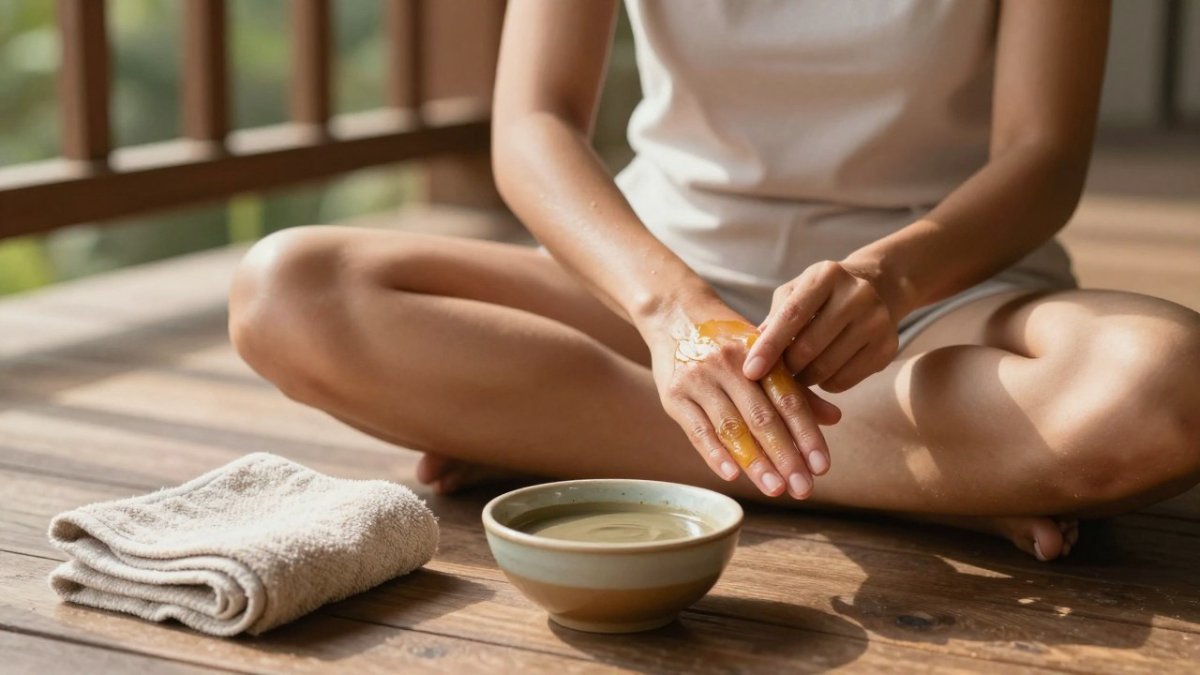
For hands that get irritated and dry from daily work, a natural CBD-infused shea butter can soothe and protect the skin while you recover. You can explore Nature's Touch Shea Butter with CBD if your hands need that extra layer of care.
Acupuncture and shock wave therapy are other non-surgical options some people try. Ask a professional whether they suit your case.
Tendinitis vs Tendinopathy vs a Tear: Knowing Which You Have
These three are not the same, and the difference changes your plan. Tendonitis means active inflammation of the tendon. Tendinopathy is a longer-term breakdown of the tendon tissue without much inflammation. A tear is a structural injury where the tendon fibers are damaged.
Why does it matter? Ice and rest help fresh tendonitis. Tendinopathy usually needs graded loading, not more rest. A tear needs medical assessment.
Signs to take seriously:
- A sudden snap or pop at the time of injury
- Loss of strength you cannot explain
- Pain that keeps getting worse despite rest
If any of these sound familiar, get it checked before you train through it.
How Long Recovery Takes and When to See a Doctor
Most mild cases of tendonitis improve within a few weeks of proper care (the NHS). Tendinopathy can take months. Recovery timelines depend on the tendon, your age, and how quickly you started the right steps.
Measurable benchmarks help. You are progressing when you can do daily tasks without pain, then light activity, then your normal routine. Use those checkpoints instead of guessing.
See a doctor if:
- Pain lasts more than two to three weeks with no improvement
- You cannot move the joint normally
- There is swelling, redness, or heat that worsens
- You suspect a tear
A physiotherapist can guide rehabilitation and strengthening exercises safely. The NHS page on tendonitis explains when to seek help.
Choosing a Natural Pain Relief Ointment for Your Recovery
A natural pain relief ointment may be one part of your routine between stretches and loading sessions. It will not replace the staged plan above.
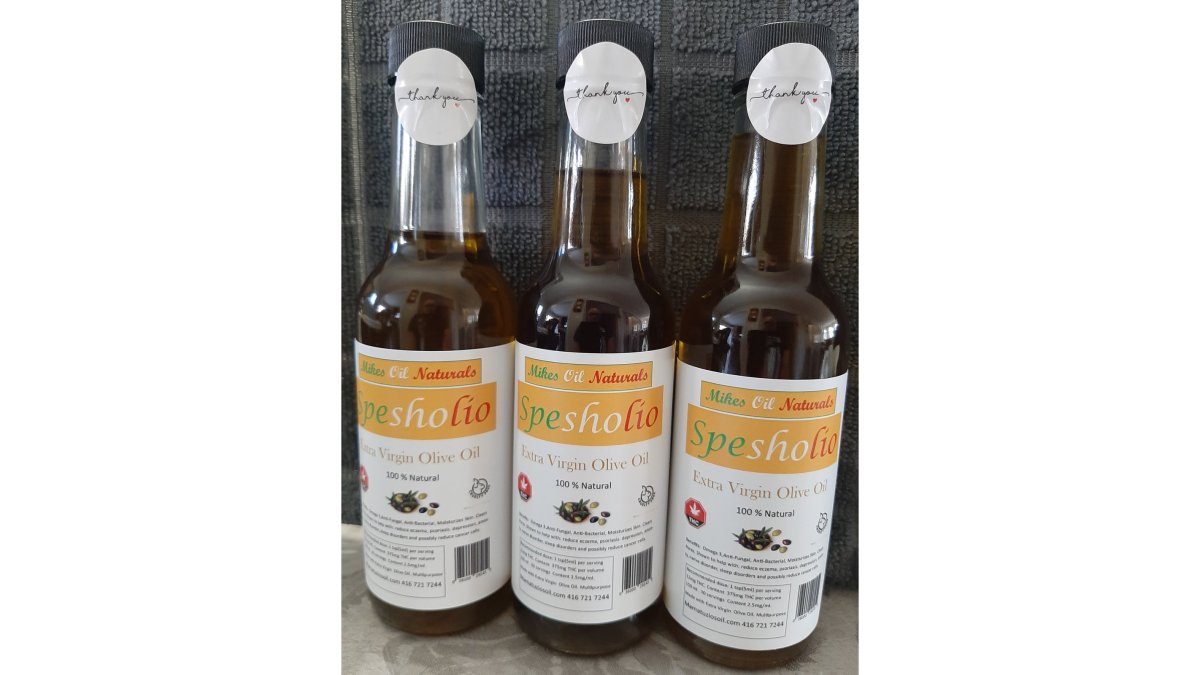
At Mamatuziosoil, we make hand-crafted ointments from natural ingredients chosen for muscle and joint comfort. Our An-Algea 50mL ointment is a good trial size, while the An-Algea 100mL suits longer use. You can read what others say on our testimonials page before you decide.
What to look for in any ointment:
- Simple, natural ingredients you recognize
- A texture that absorbs without heavy residue
- Clear directions for use
Best for: people who want a natural topical to pair with rest and gentle movement. Skip if: you have broken skin or a known allergy to any ingredient.
You can see the full An-Algea pain relief ointment range on our site.
Tendonitis recovery rewards patience and the right order of steps, not heroics. If you want natural support alongside your recovery plan, Mamatuziosoil offers hand-crafted ointments and skin care made with natural ingredients, cruelty-free and designed for daily use. Get started with Mamatuziosoil and give your recovery the natural support it deserves.
Frequently Asked Questions
How long does tendonitis take to heal naturally?
Recovery time varies, and tendons rebuild slowly. Progress is generally measured by pain-free movement rather than the calendar. If pain has not improved after two to three weeks of home care, or if it worsens, see a doctor or physiotherapist for an assessment.
Should you use ice or heat for tendonitis?
Use ice in the first 48 to 72 hours when the area is swollen, hot, or newly irritated. Apply a wrapped cold pack for 10 to 15 minutes at a time. After the acute phase, heat can help loosen stiffness before gentle stretching or low-impact exercise. Never apply either directly to bare skin, and avoid heat if the area is still swollen. A simple rule: ice for fresh flare-ups, heat for stiff, older discomfort.
What foods should you avoid with tendonitis?
There is no single food that causes tendonitis. A varied diet is a sensible general habit, but it does not replace rest, physical therapy, or medical advice.
Can you exercise while recovering from tendonitis?
Yes, but choose low-impact movement and keep it pain-free. Swimming, walking, and gentle range-of-motion exercises are usually safer than loading the affected tendon heavily. Use a simple rule: mild discomfort during exercise that settles within 24 hours is acceptable, while sharp pain or next-day flare-ups mean you did too much. Strengthening exercises should be introduced gradually, ideally with guidance from a physiotherapist.